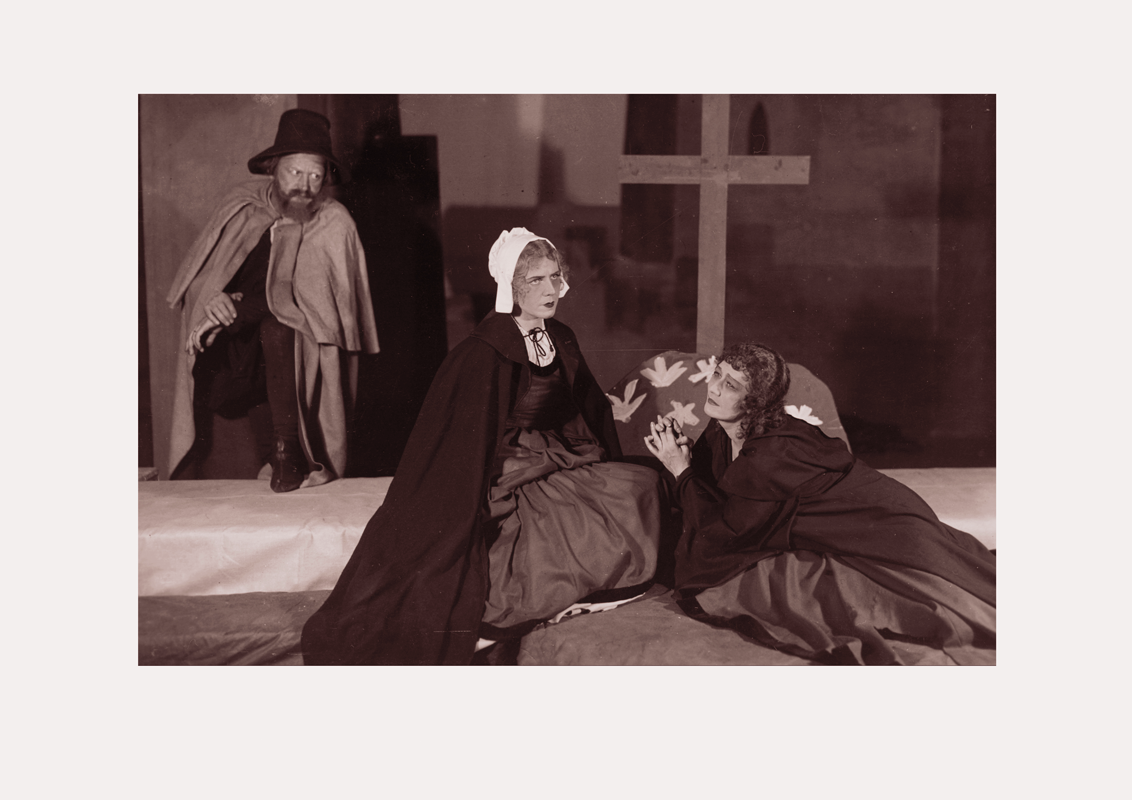
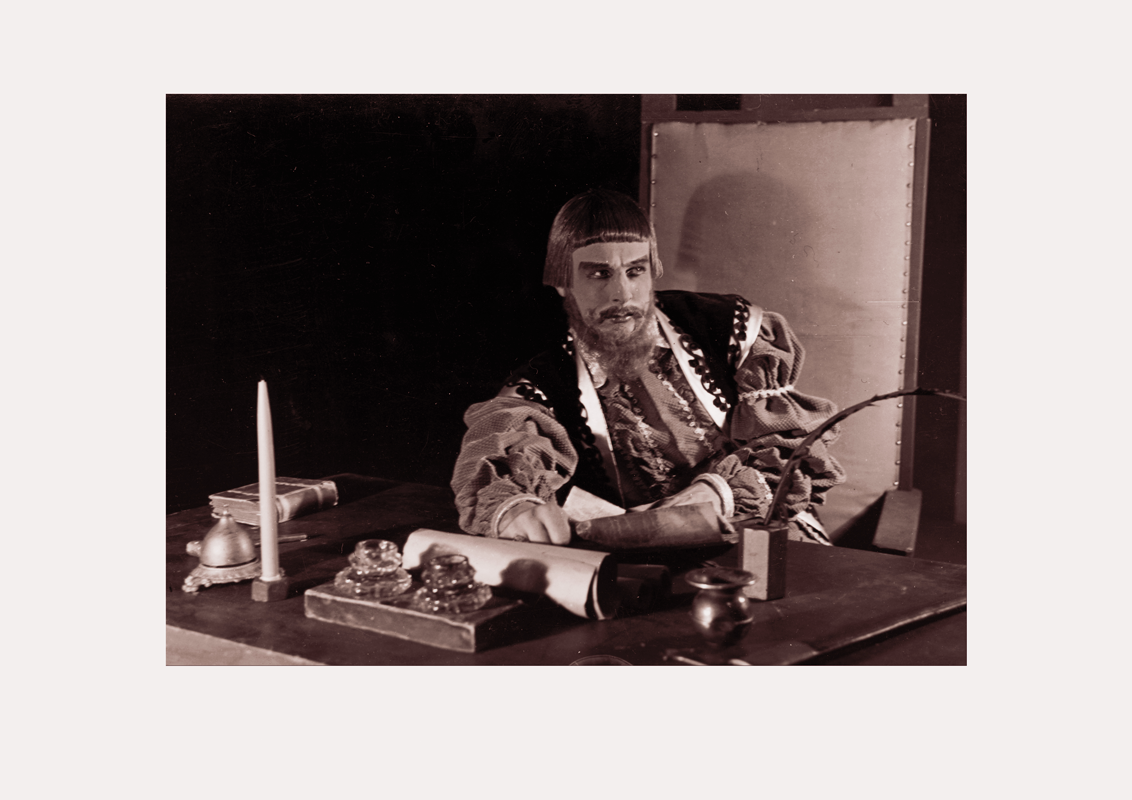
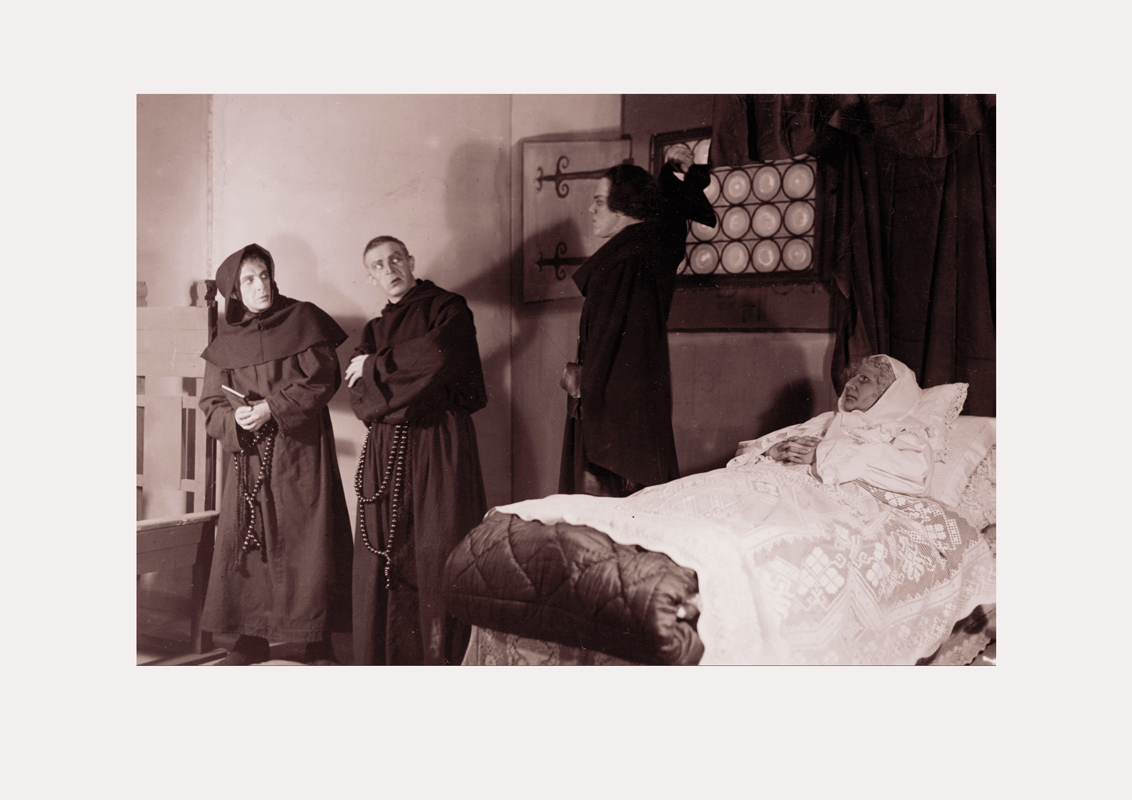
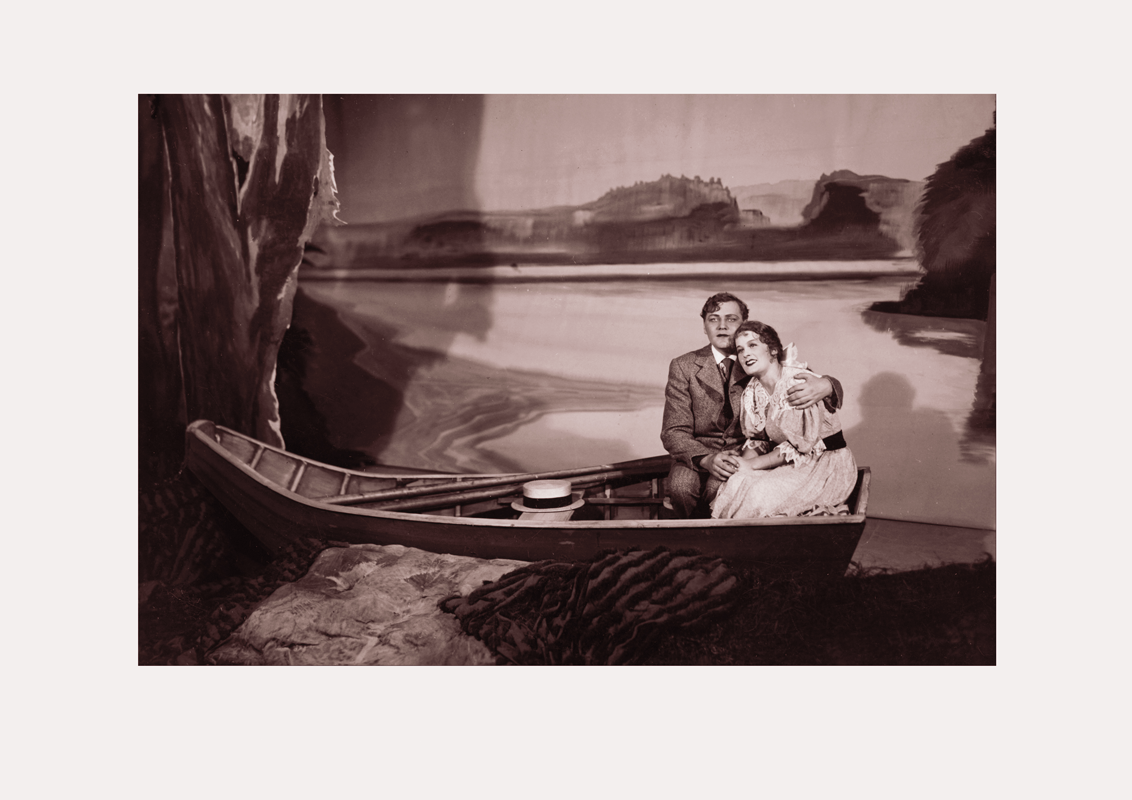
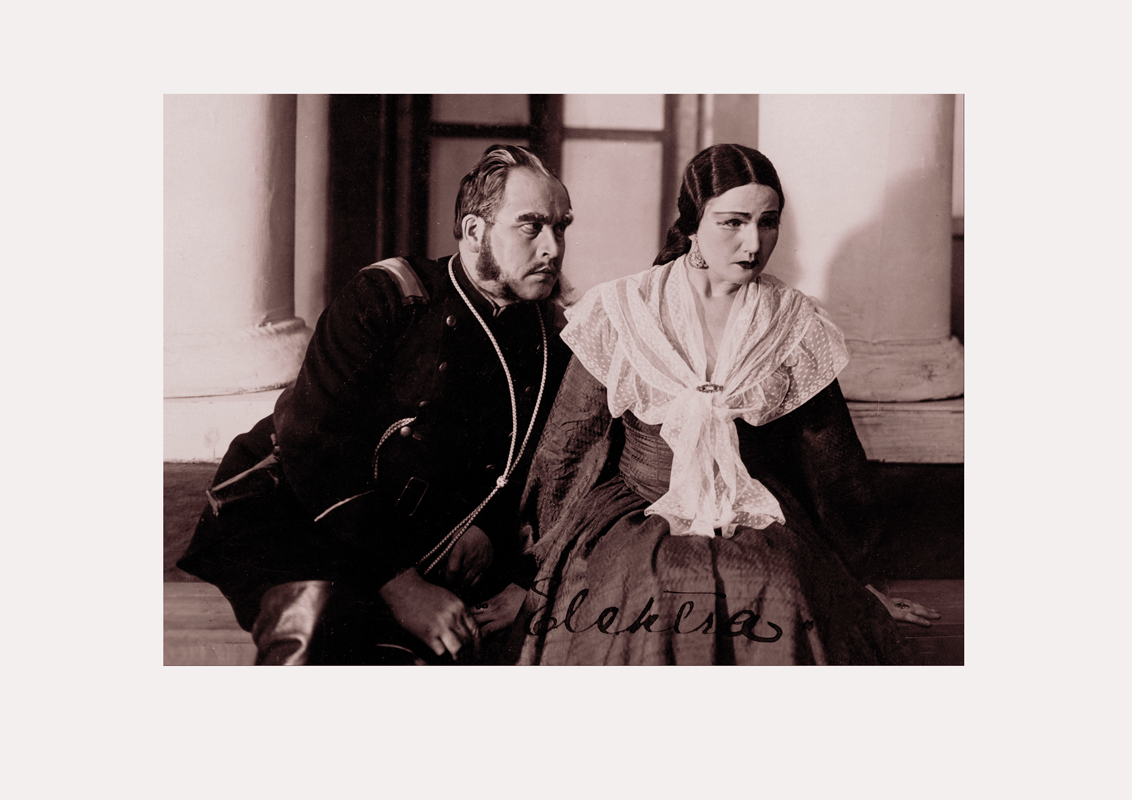
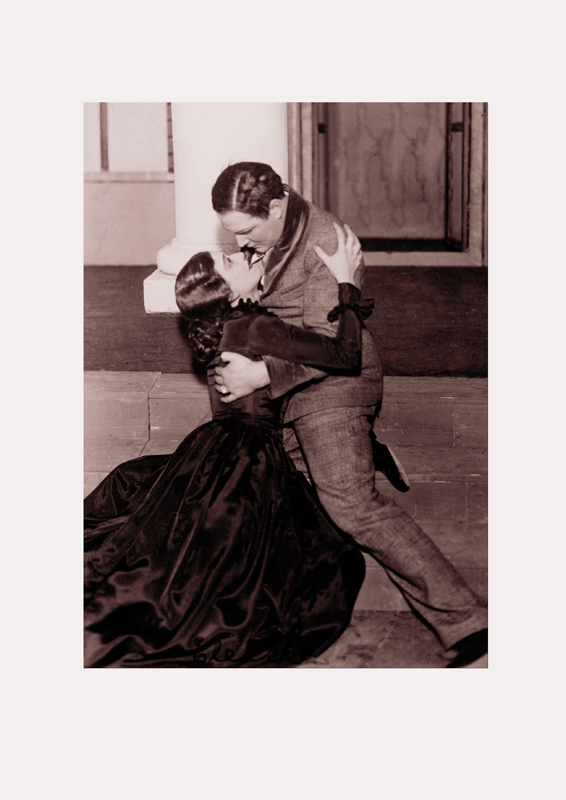
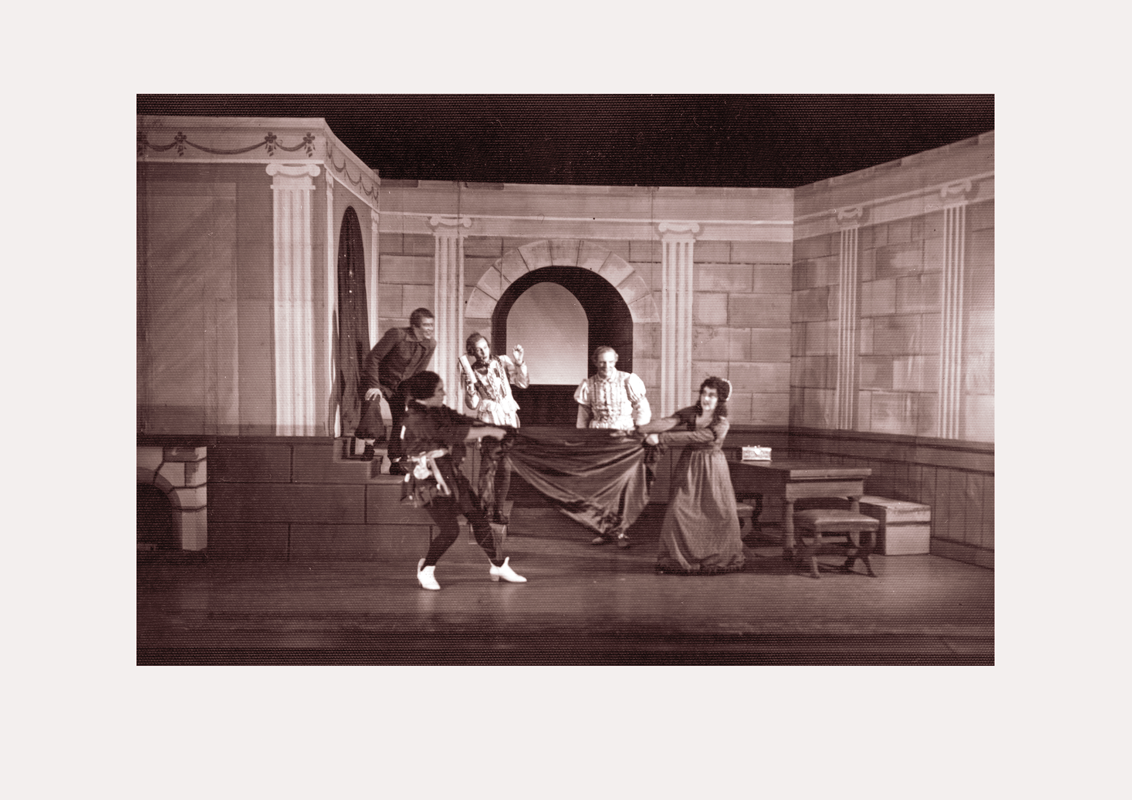
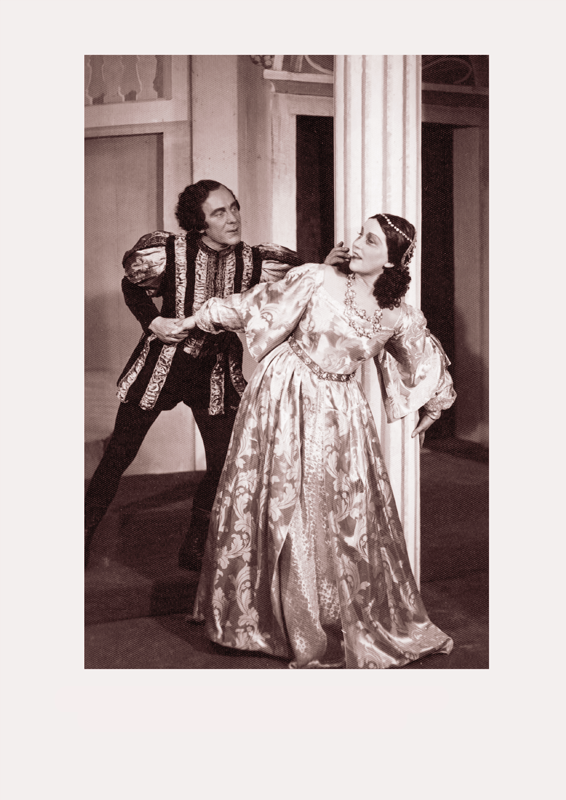
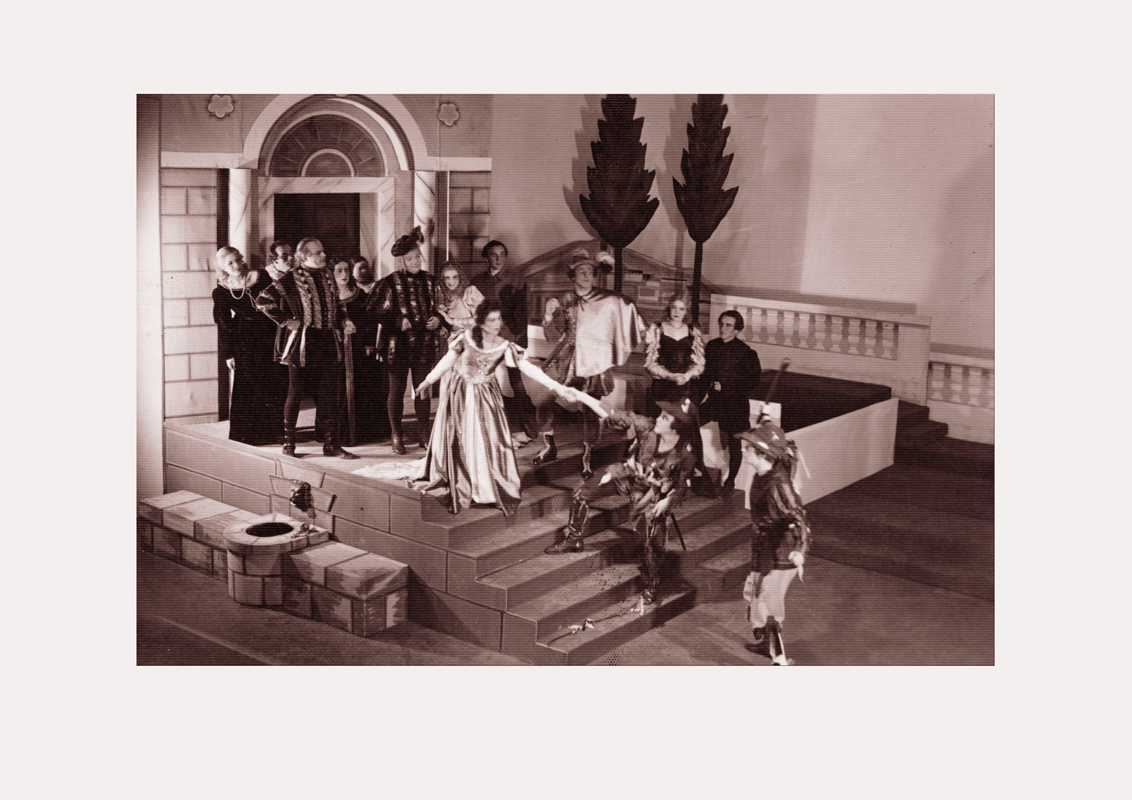
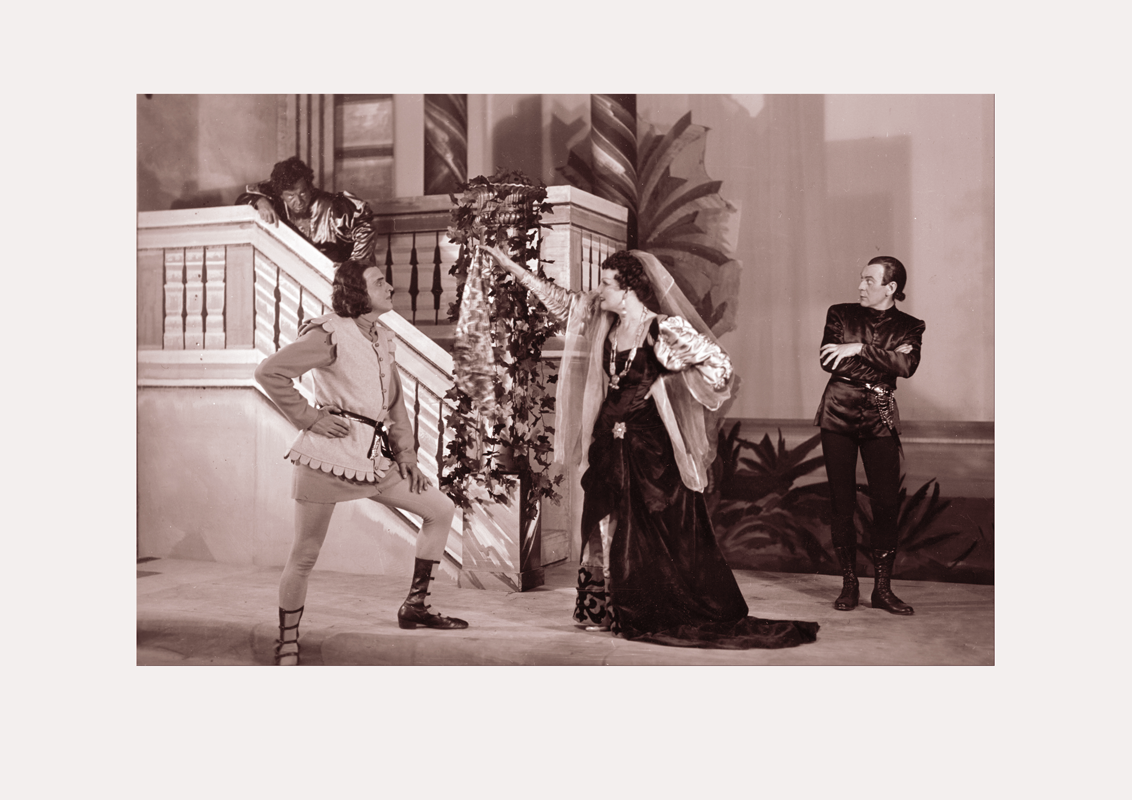
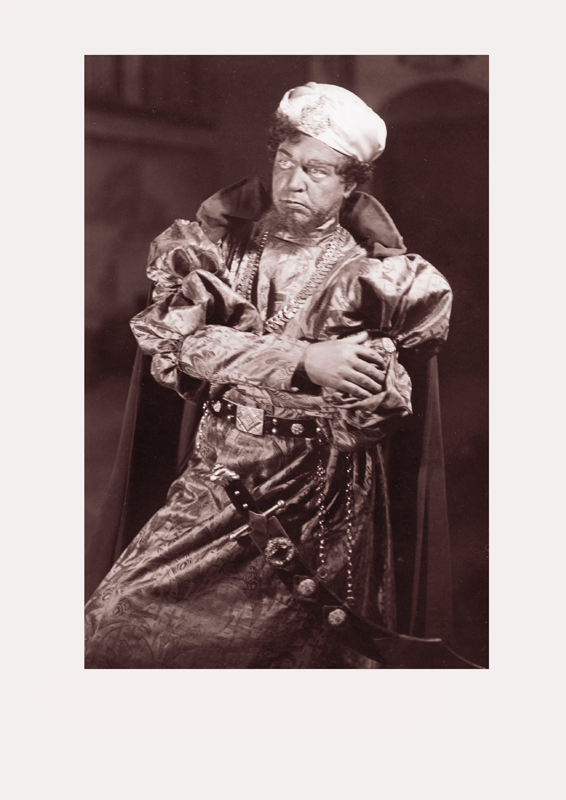
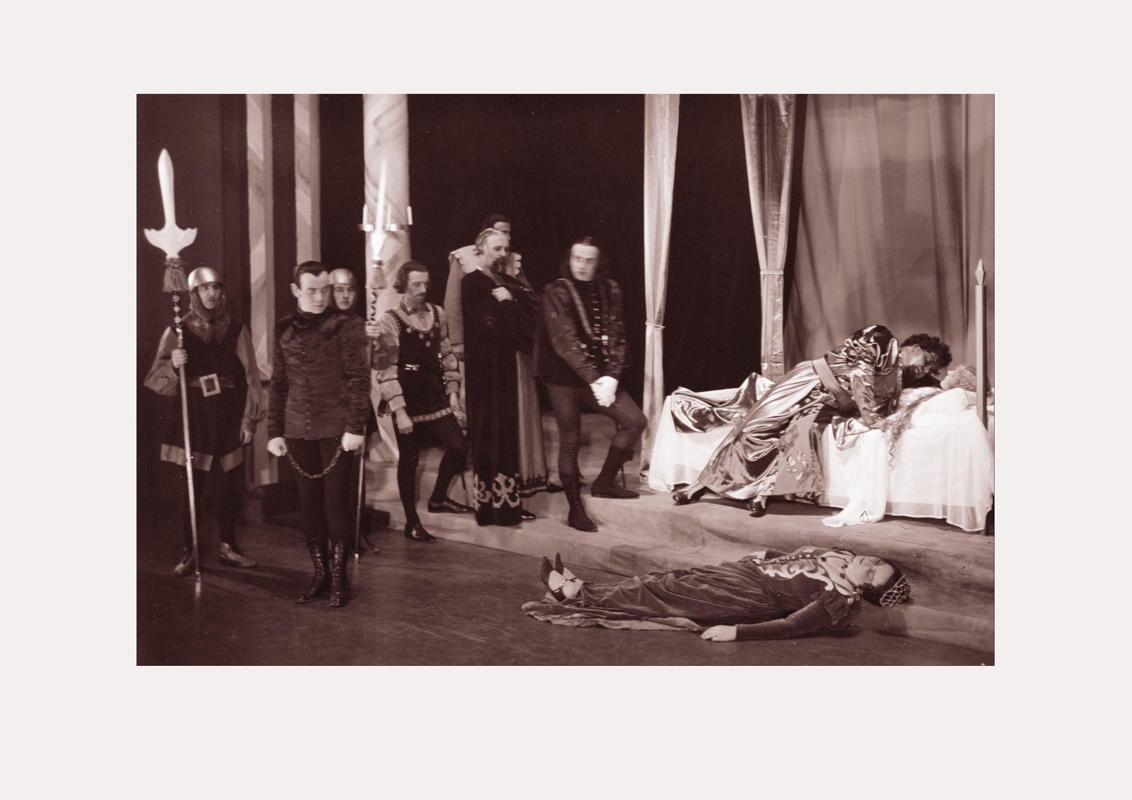
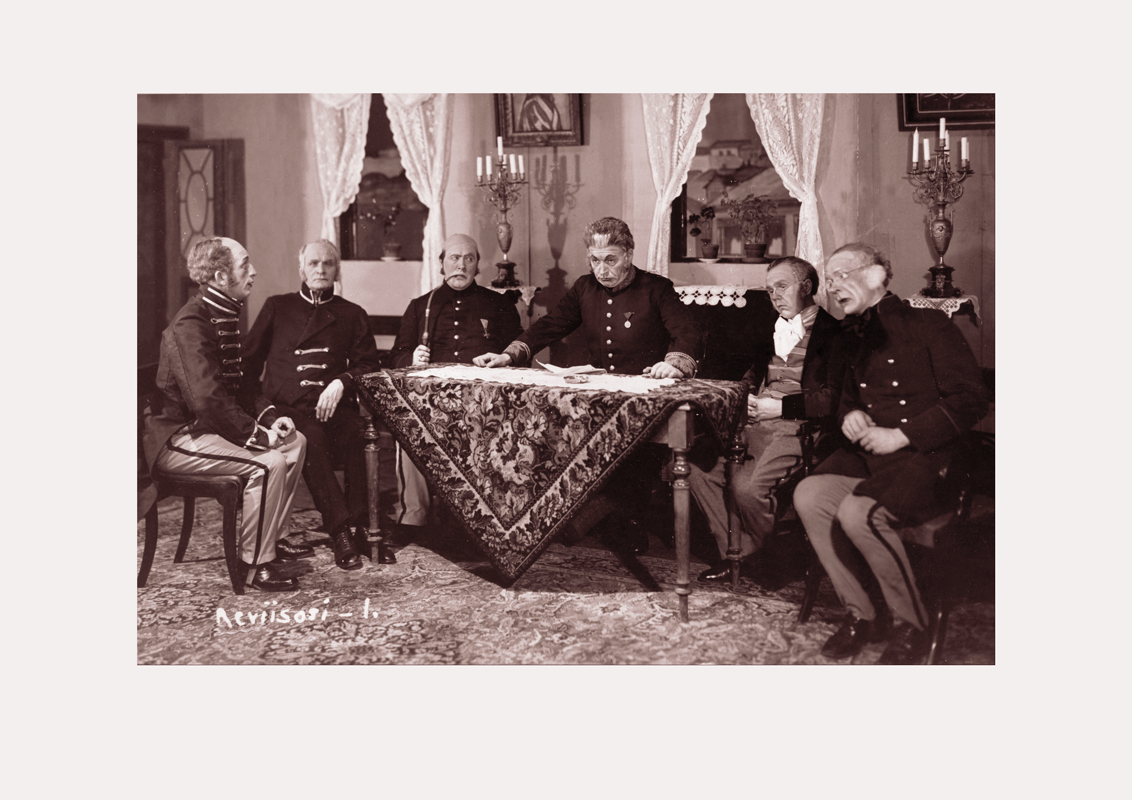
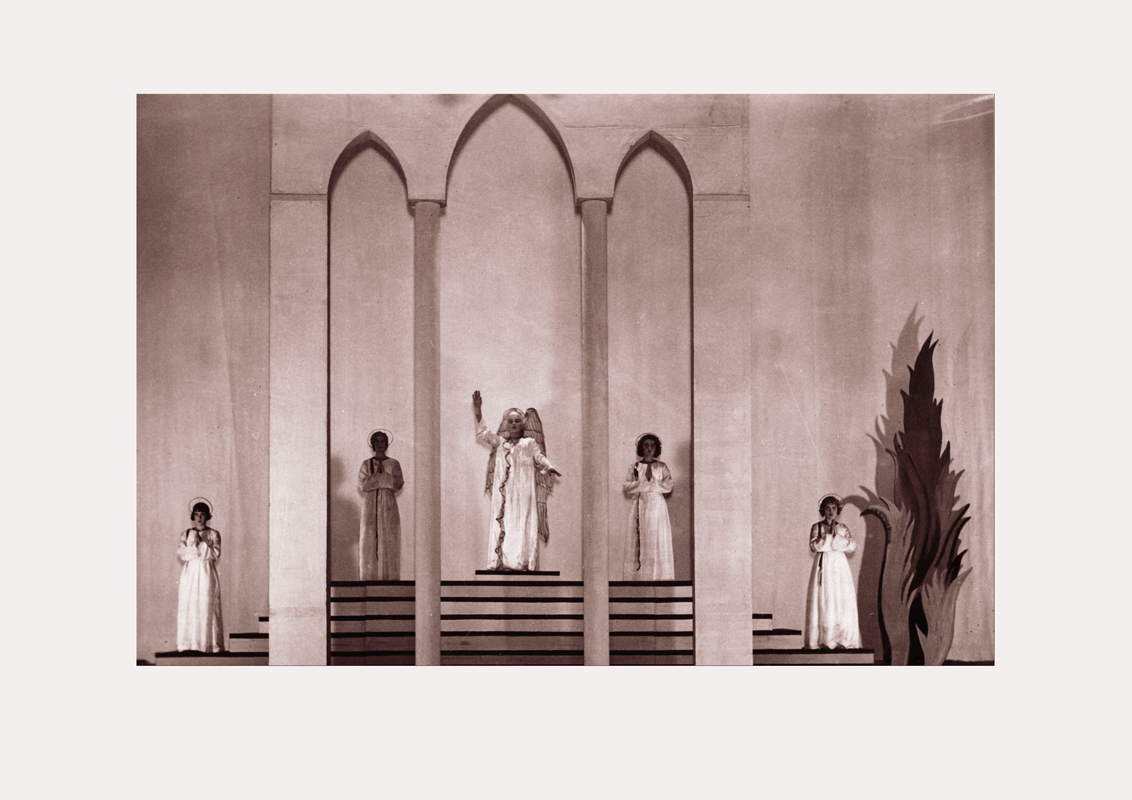
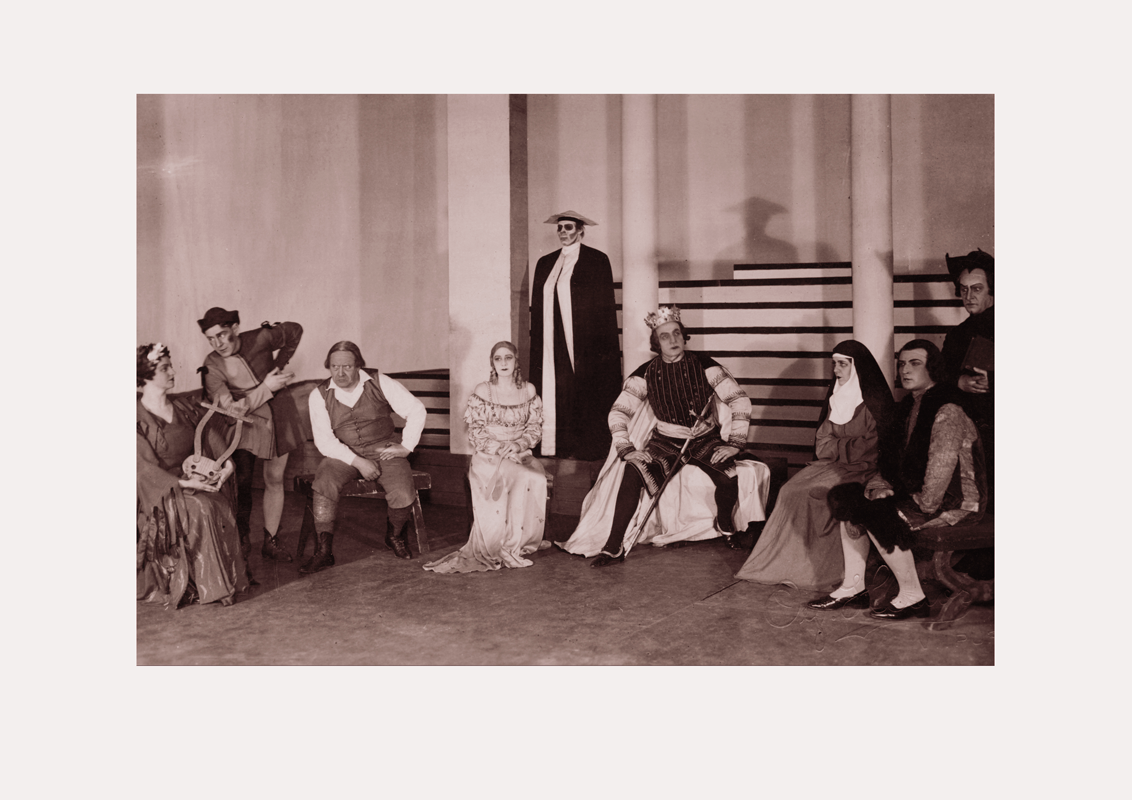
The theatre was expected to present ”dignified” programming. The goal was to show European classics every year, but even then, the choices often fell to comedies. Russian works were evident in the classics of Nikolai Gogol (The Government Inspector, Marriage), but Leo Tolstoy’s Christian-themed melodramas gradually faded. August Strindberg’s plays dealt with the shared history of Sweden and Finland, which the audience was familiar with. The works of Shakespeare demanded ambitious directors and skilled actors – of which there was no shortage in Viipuri in the late 1930s, and who were happy to take on bigger challenges. Hugo von Hofmannsthal was a versatile dramatist whose The Great Theatre of the World was based on a drama from the Baroque era. Although still writing in the 1930s, Eugene O’Neill was already recognized as a master of modern drama and its bold, painful themes.