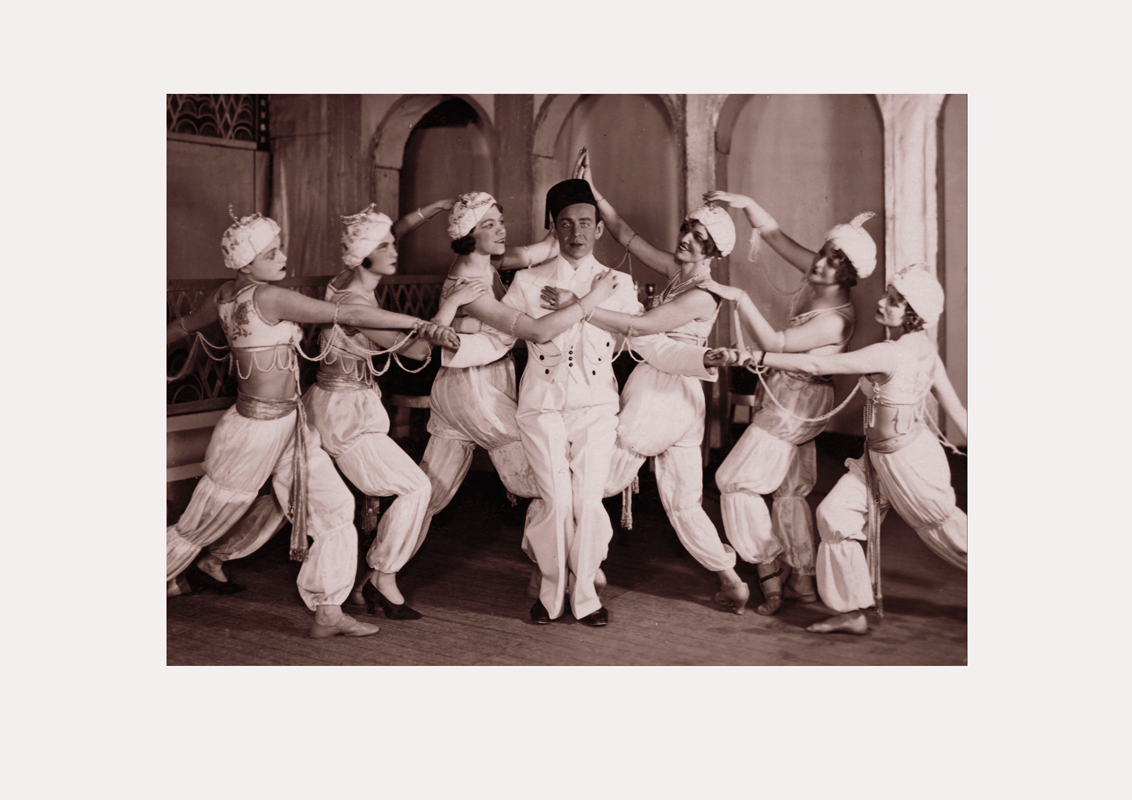
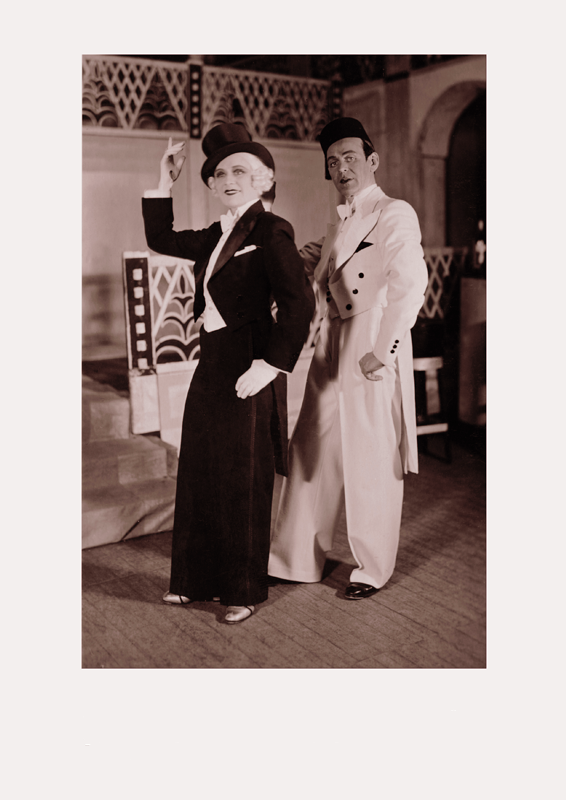
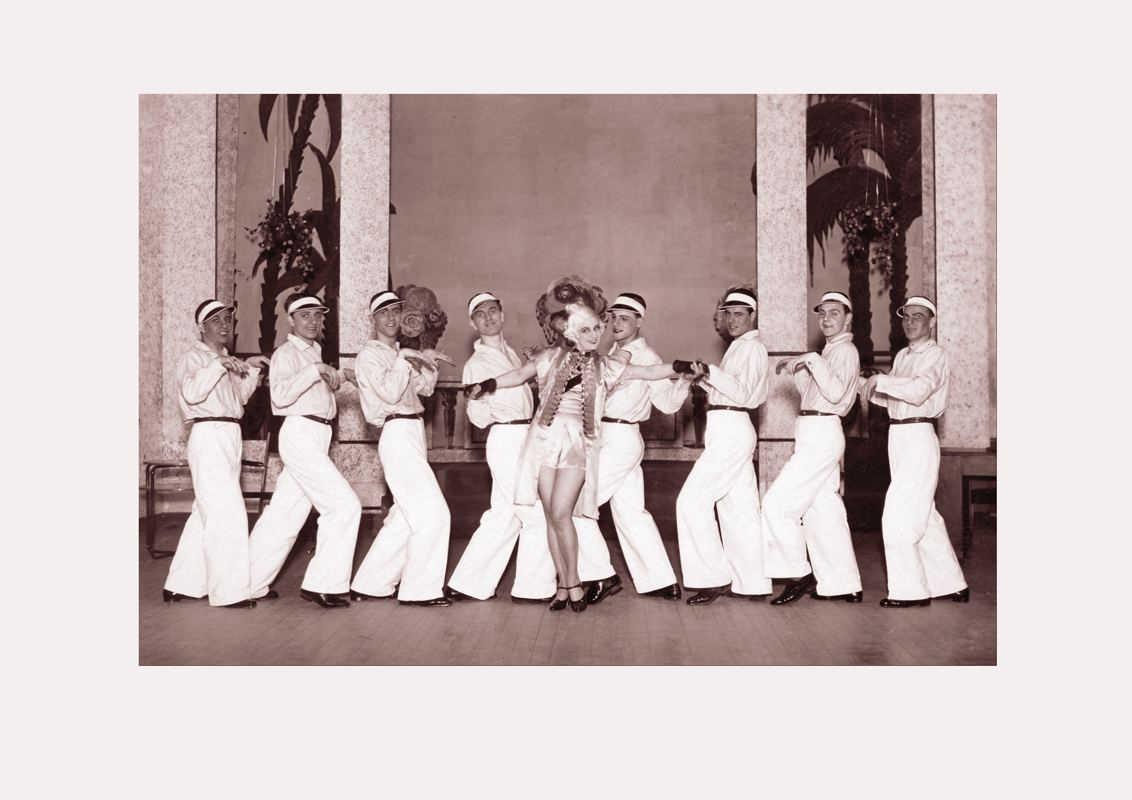
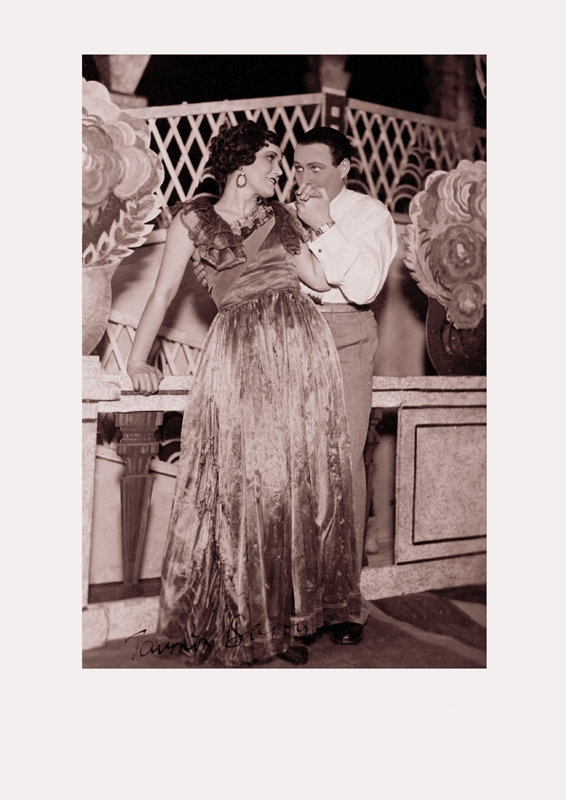
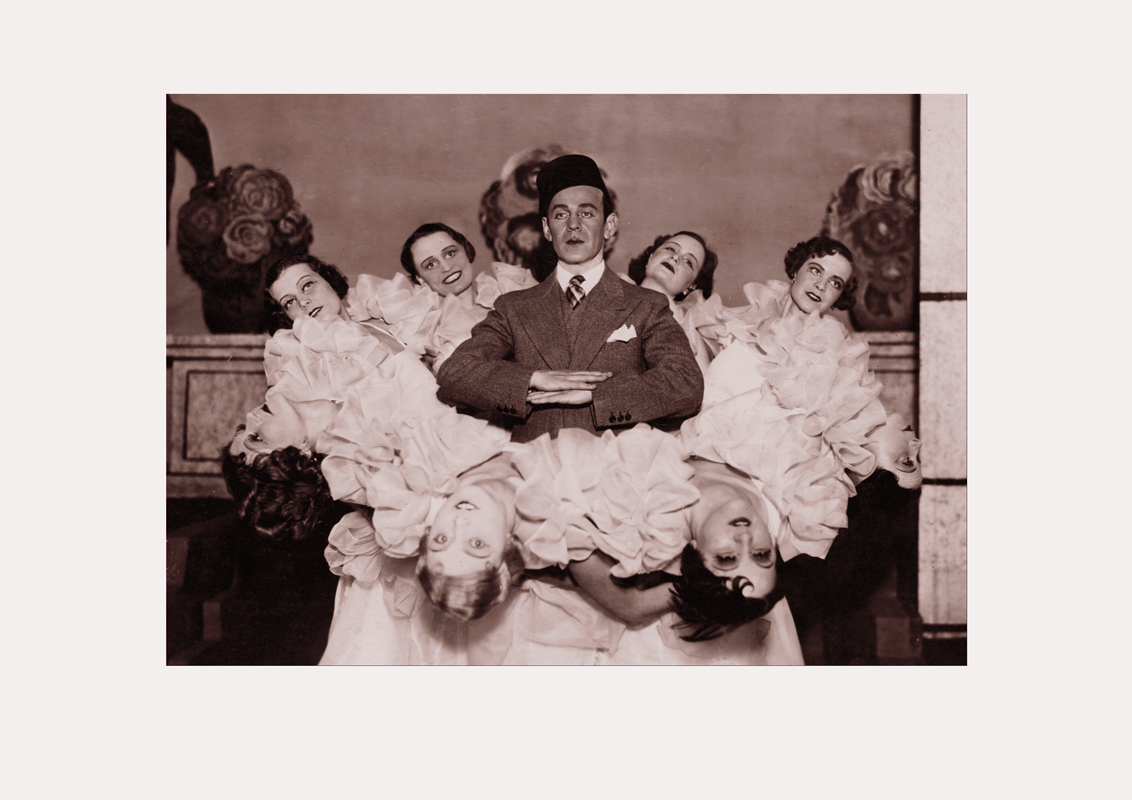
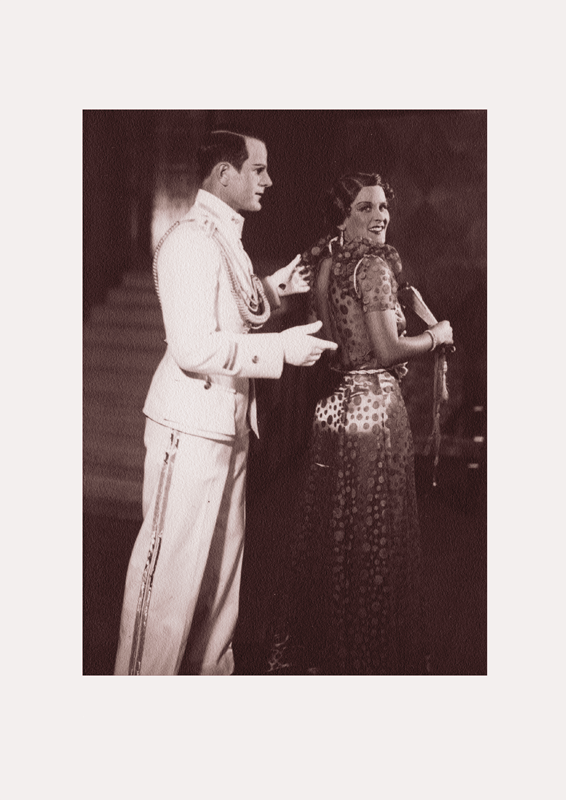
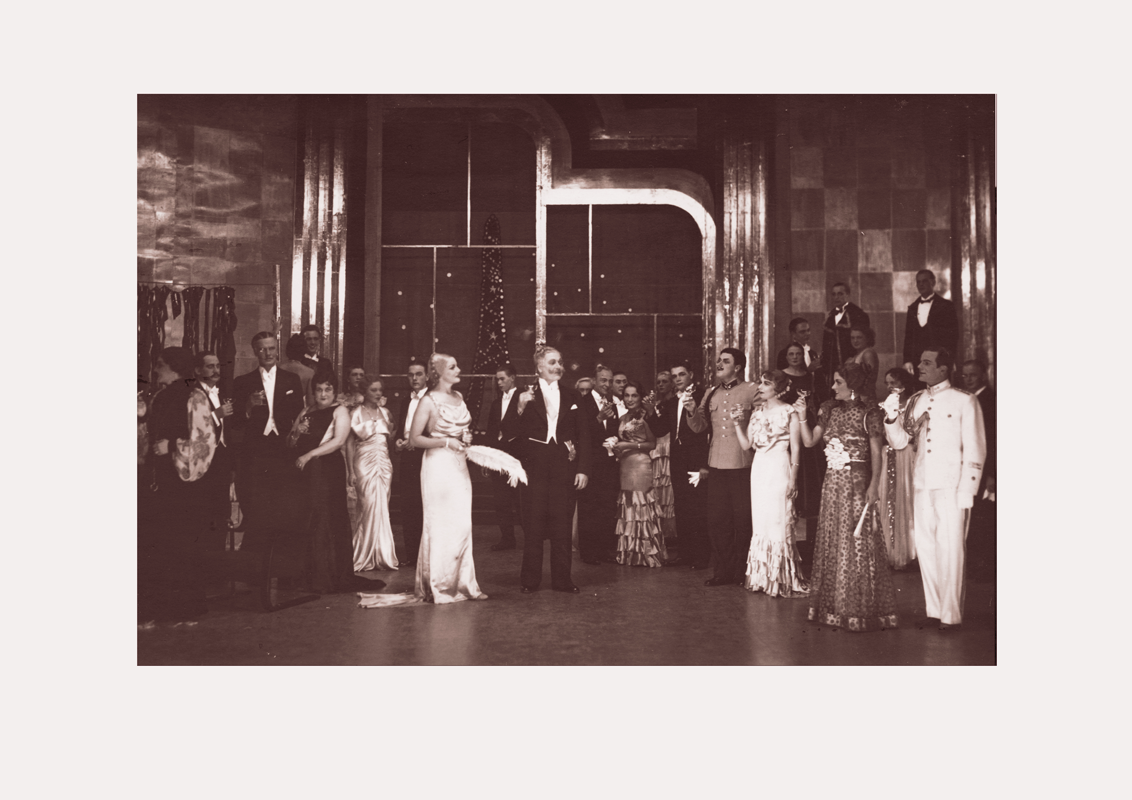
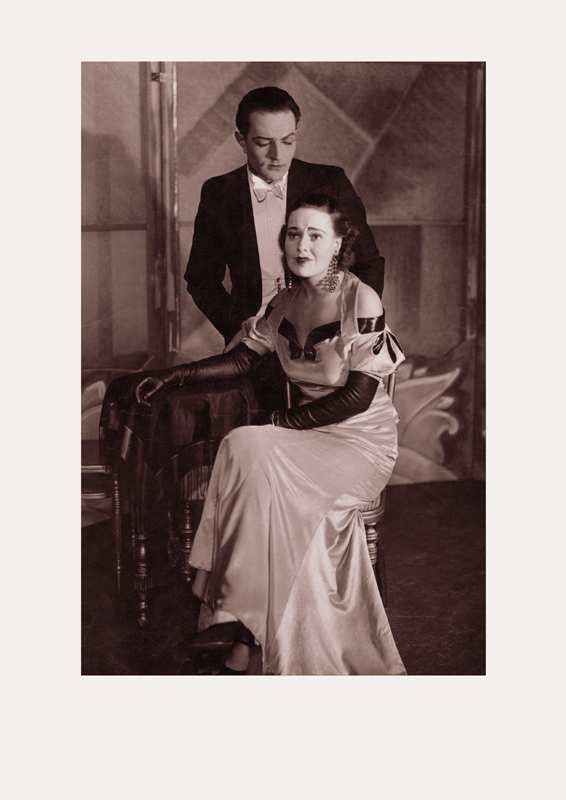
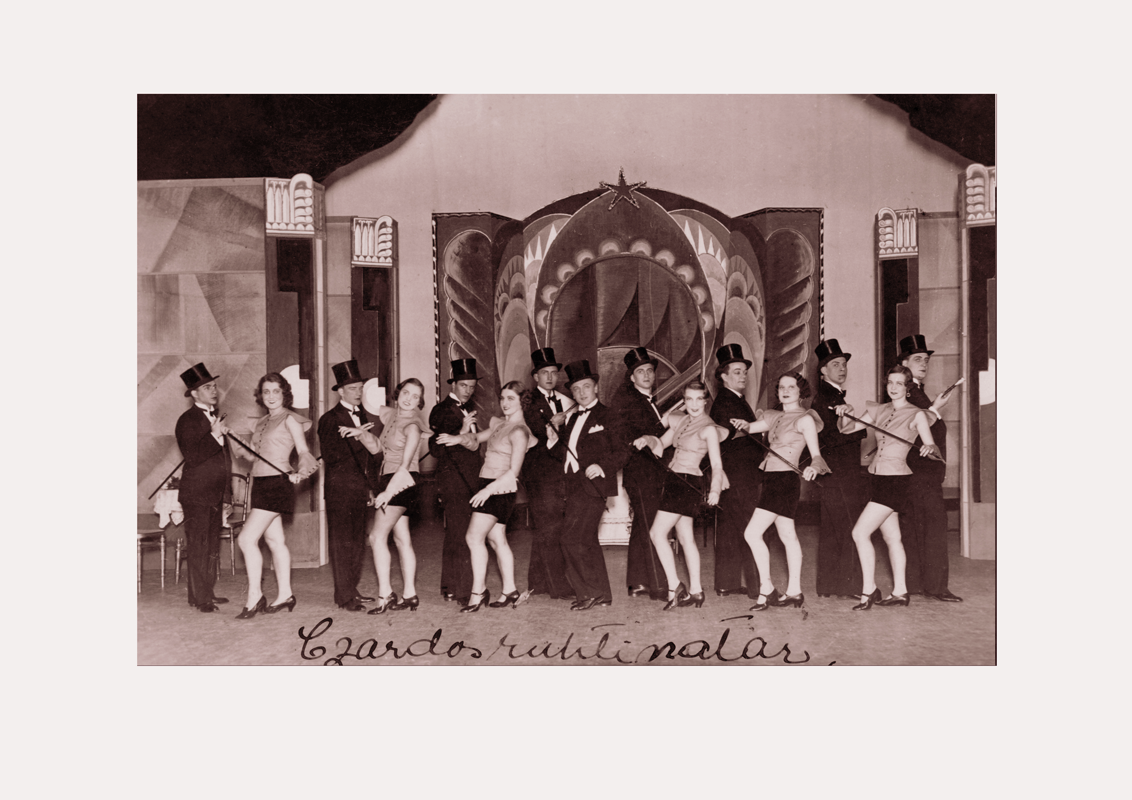
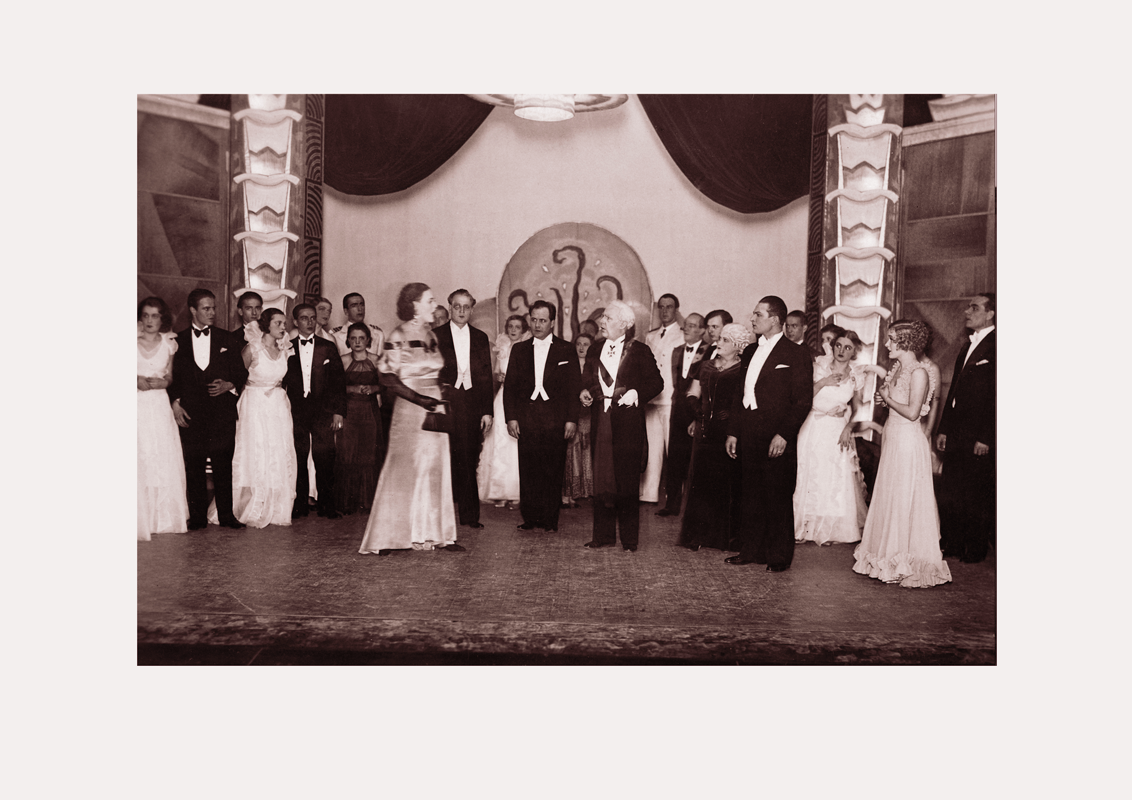
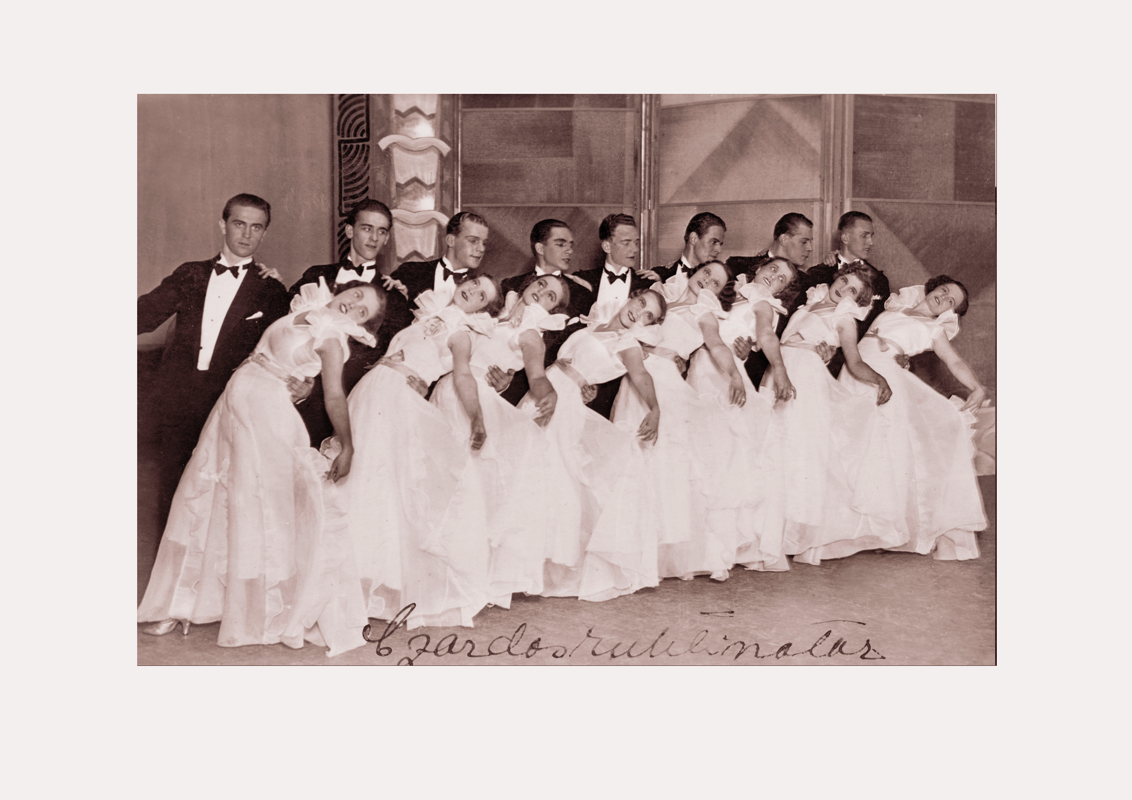
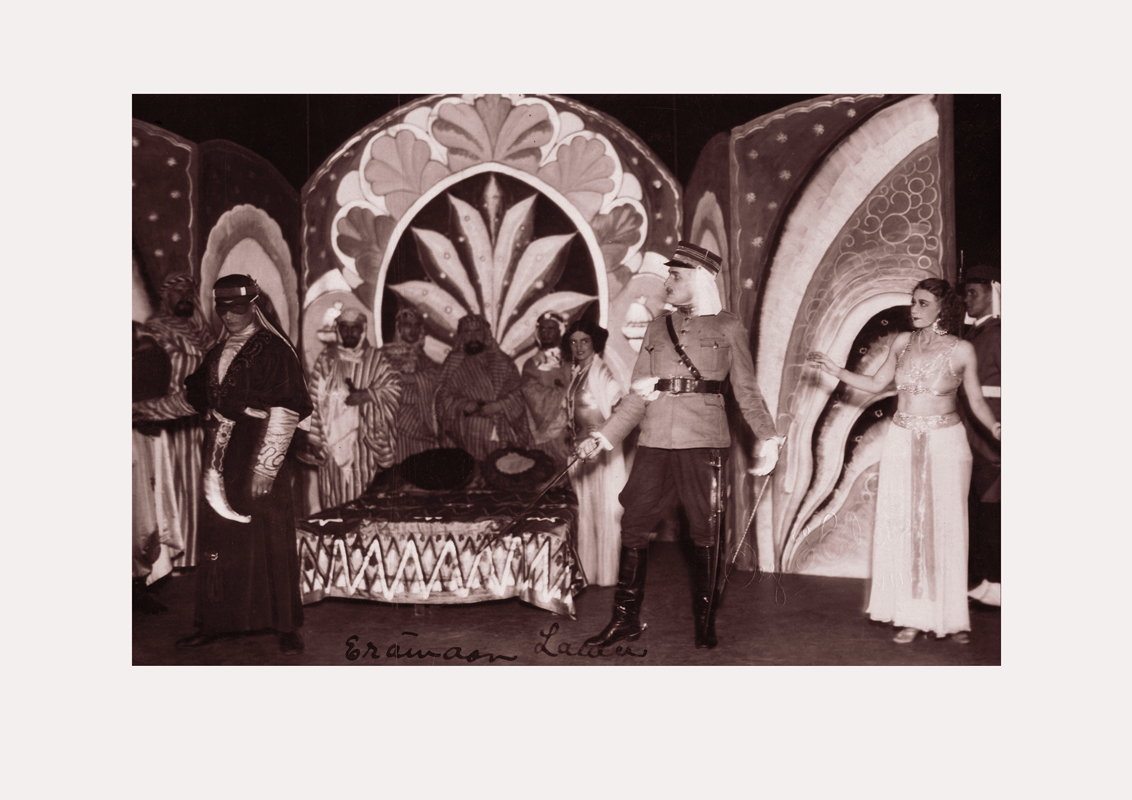
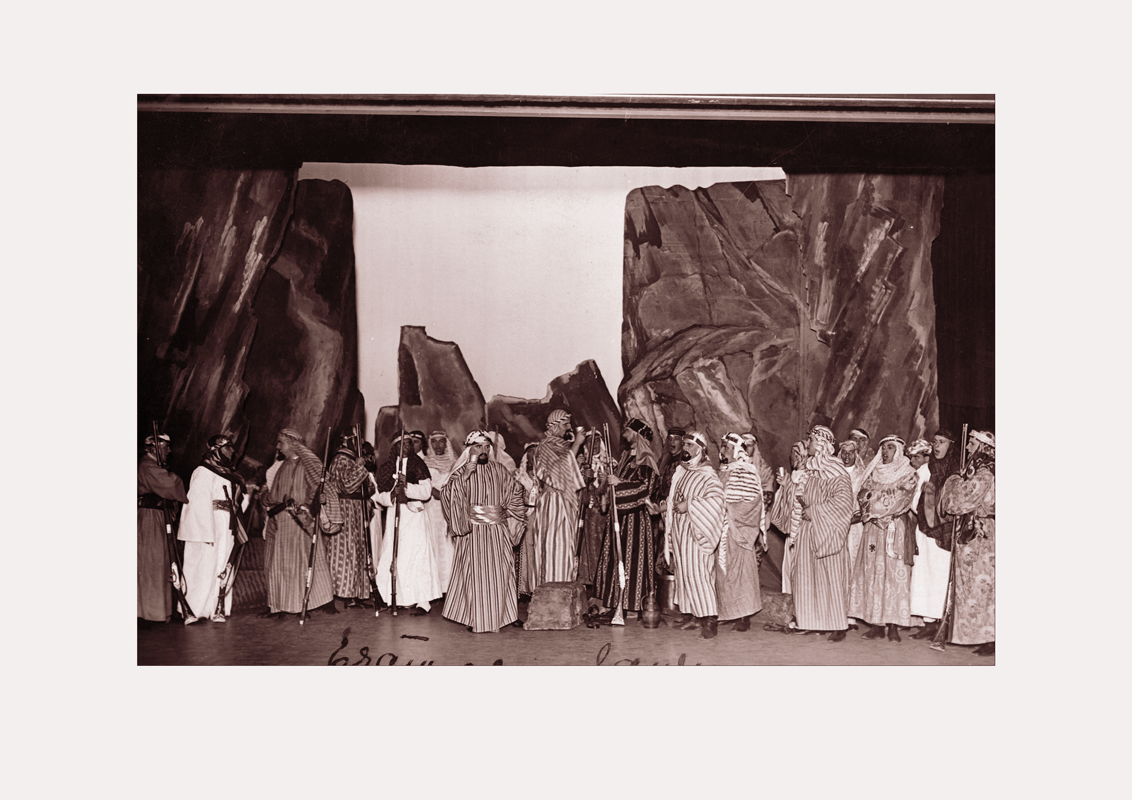
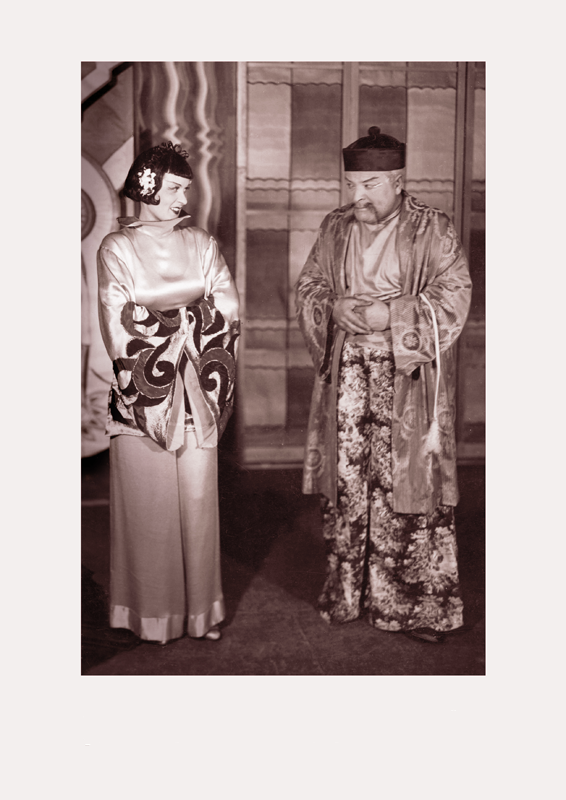
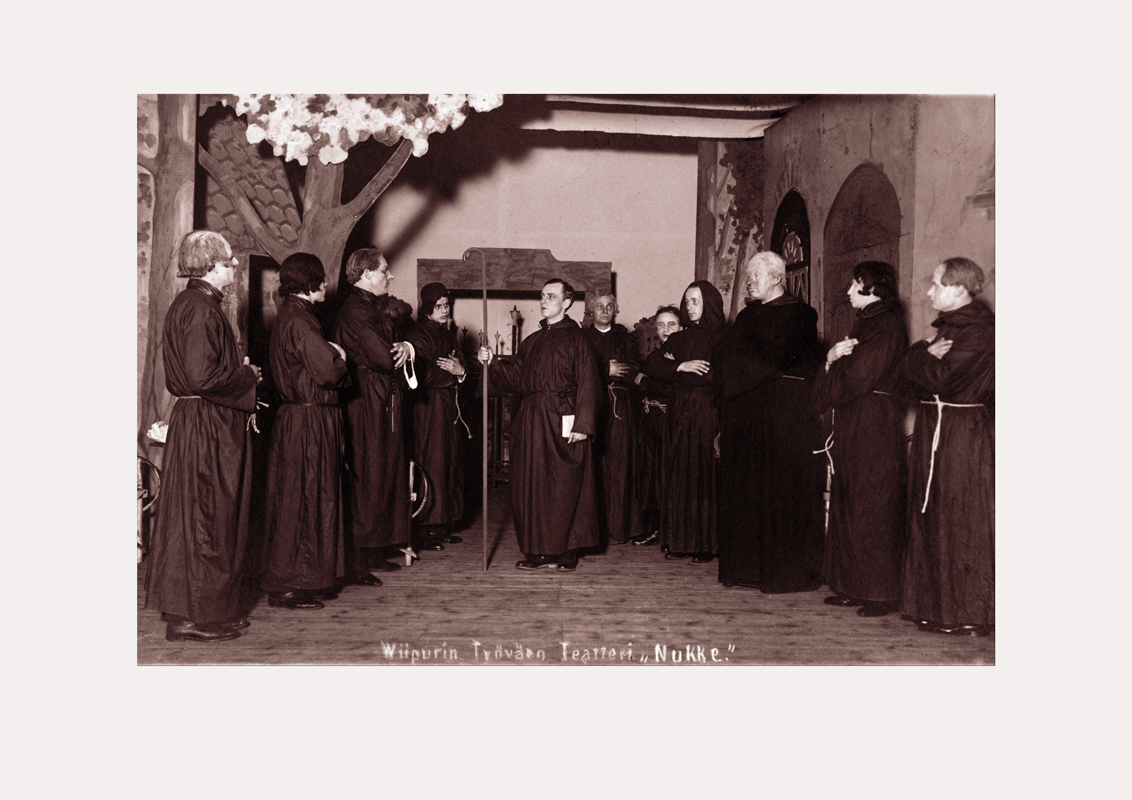
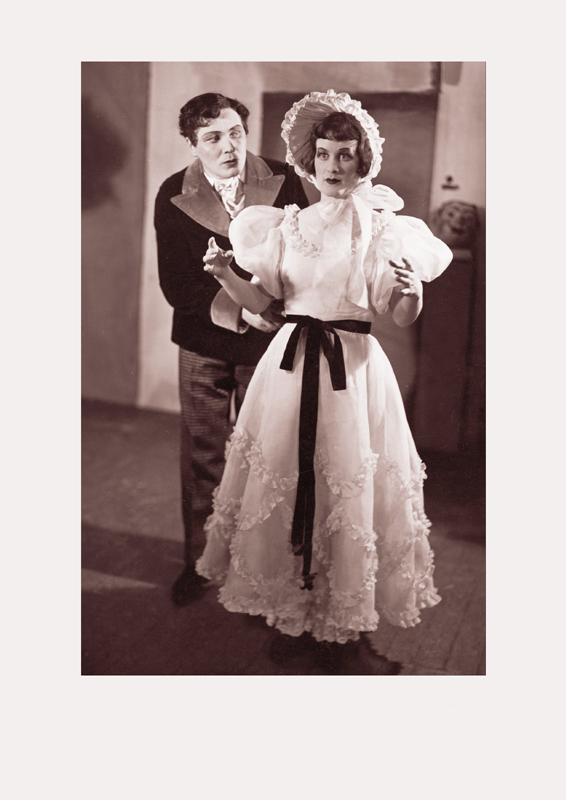
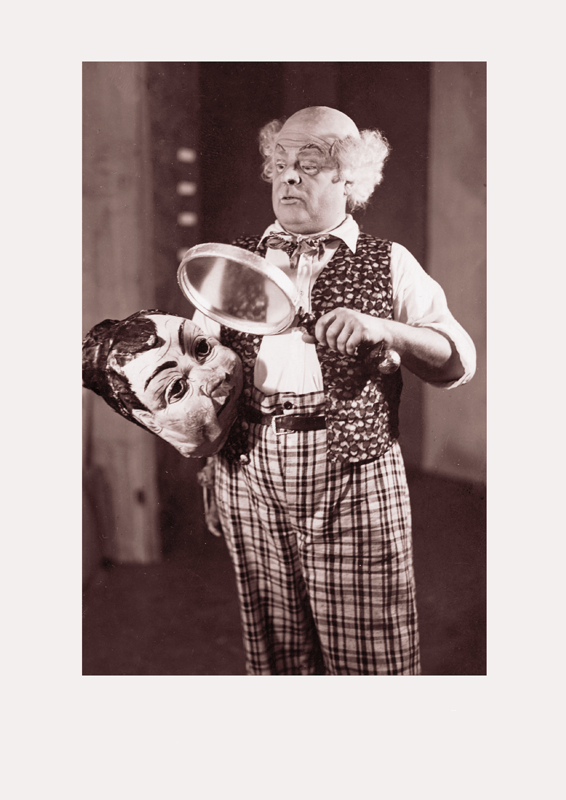
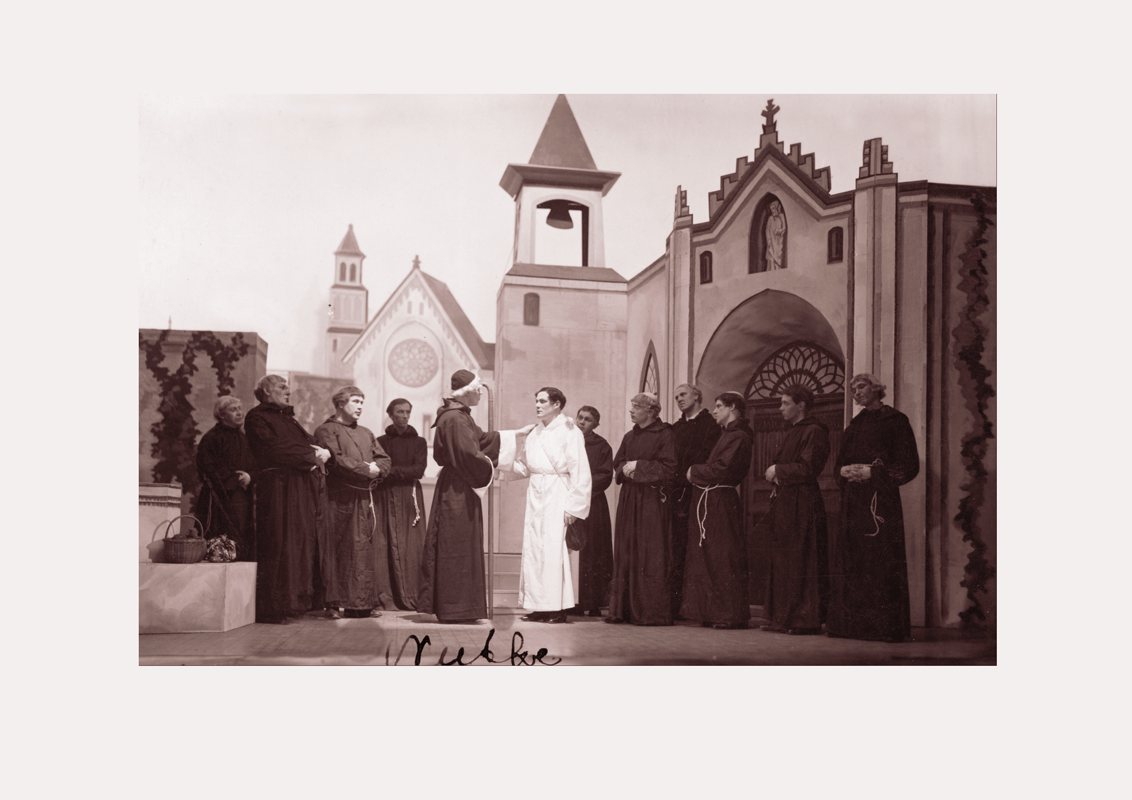
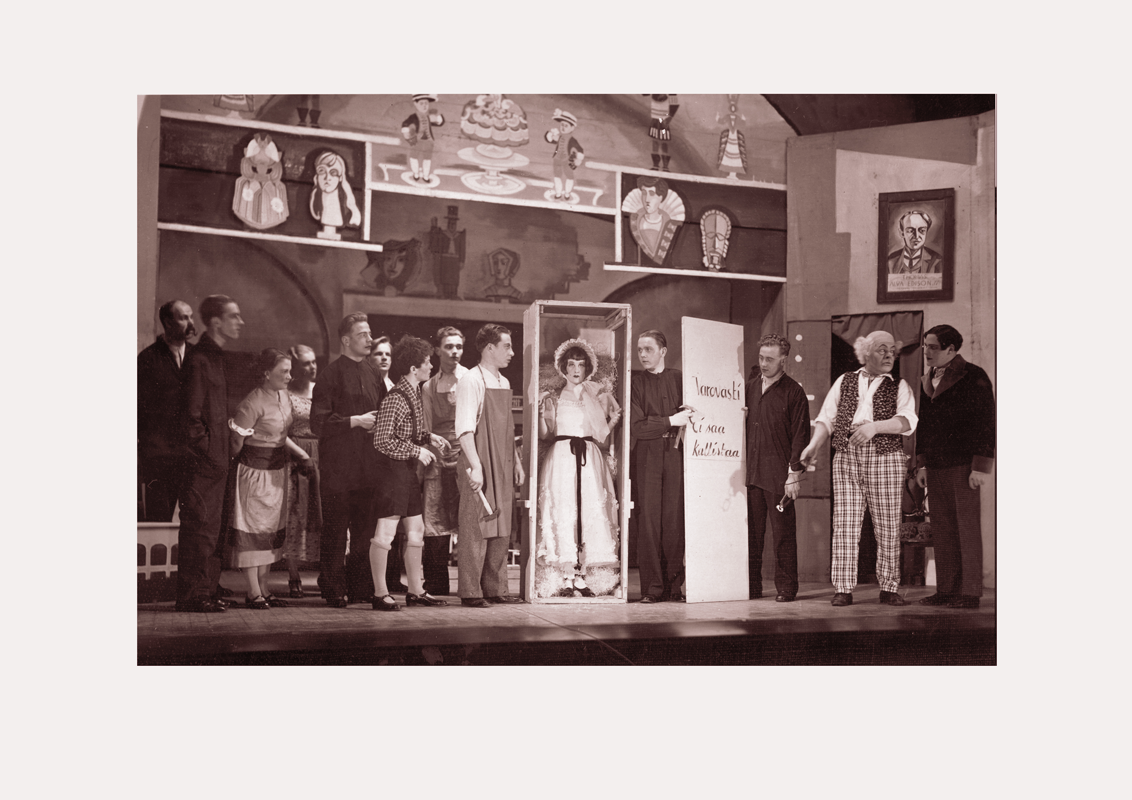
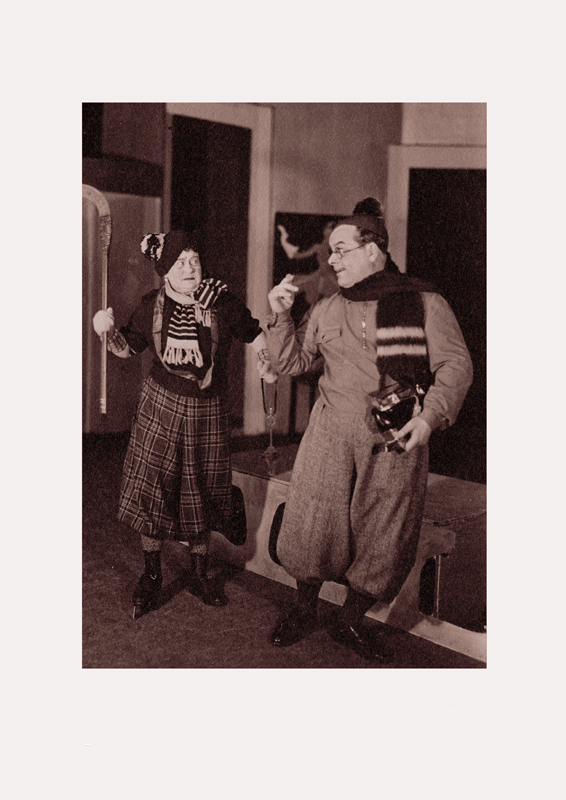
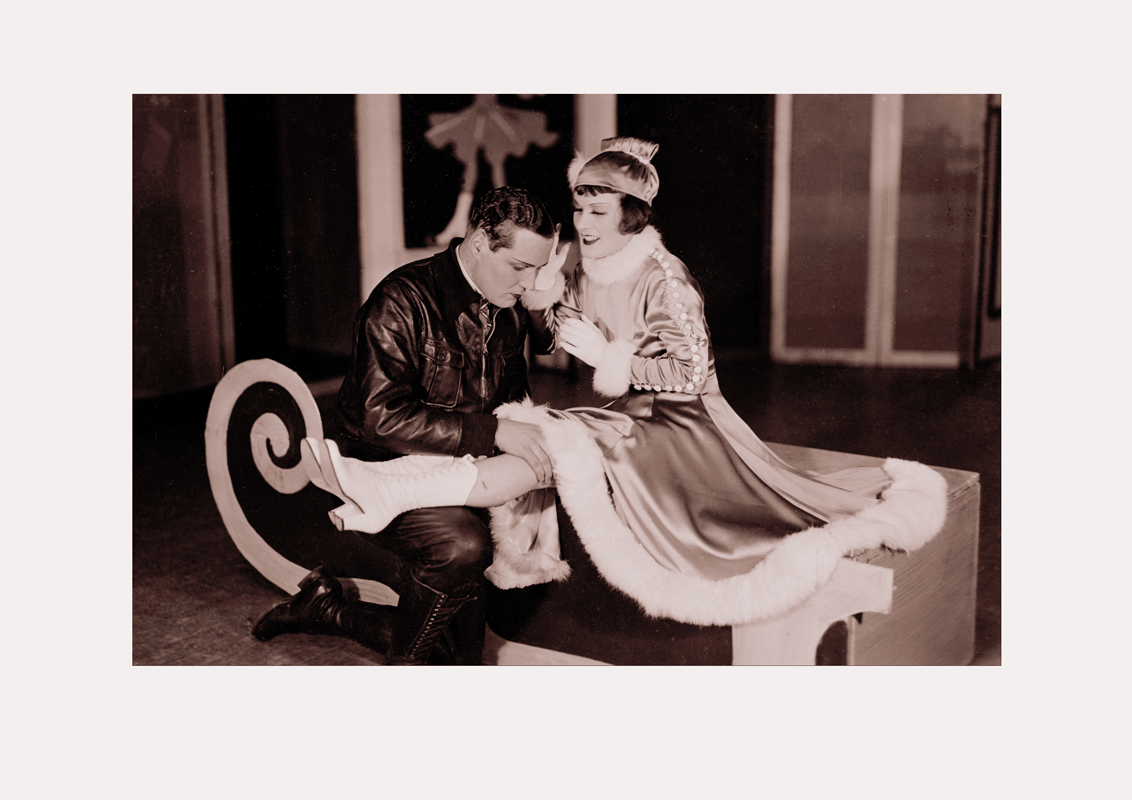
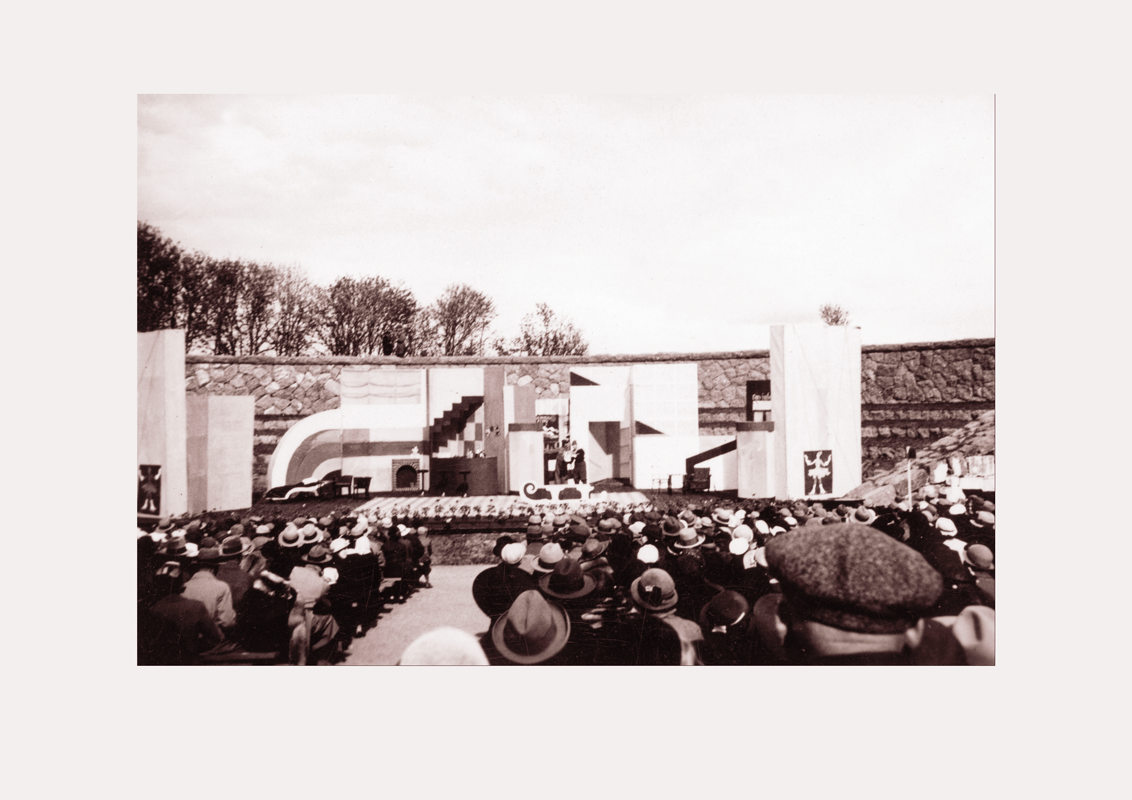
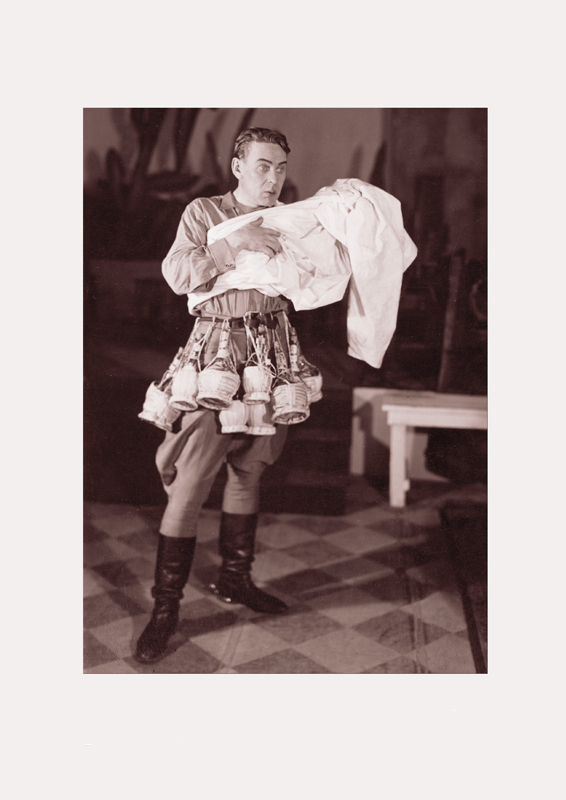
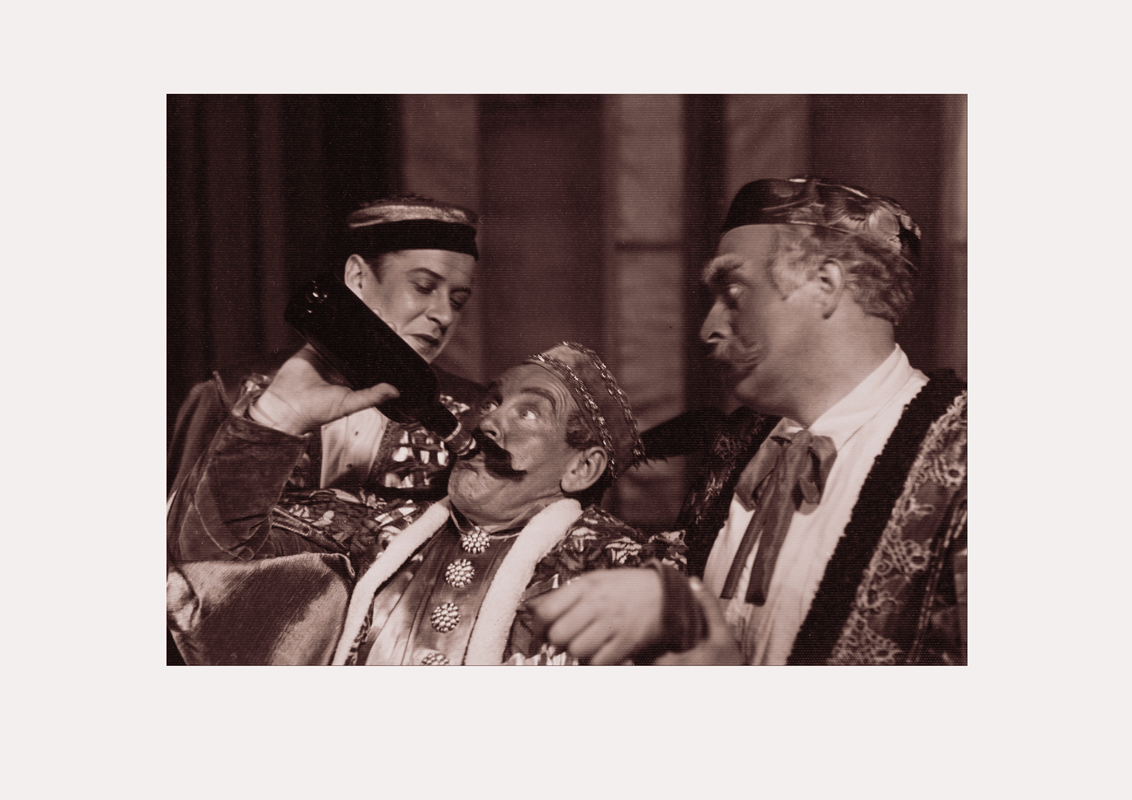
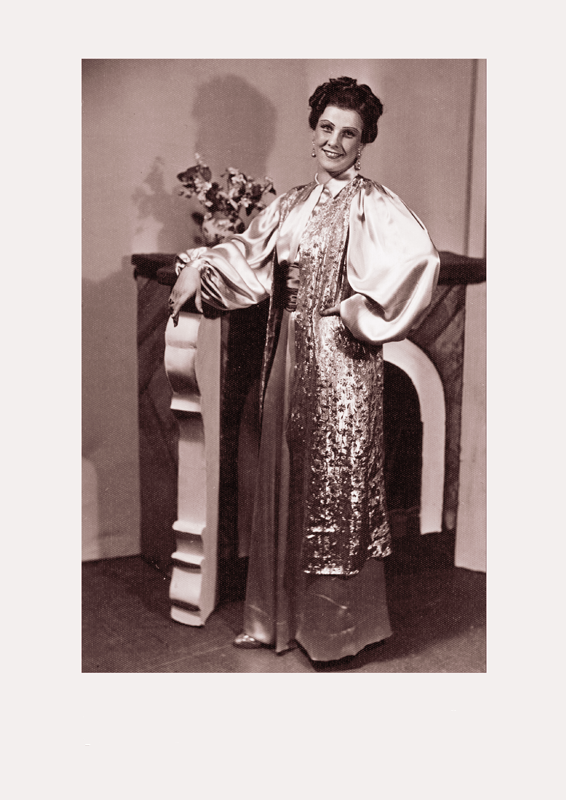
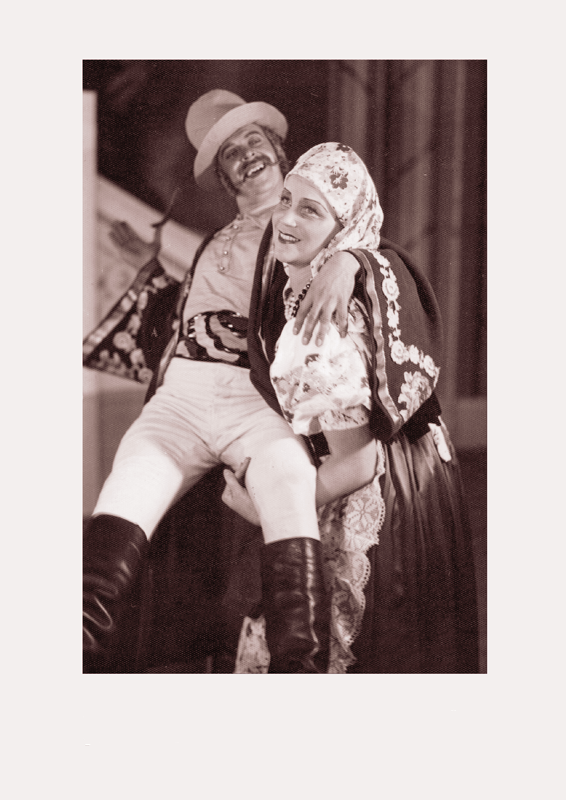
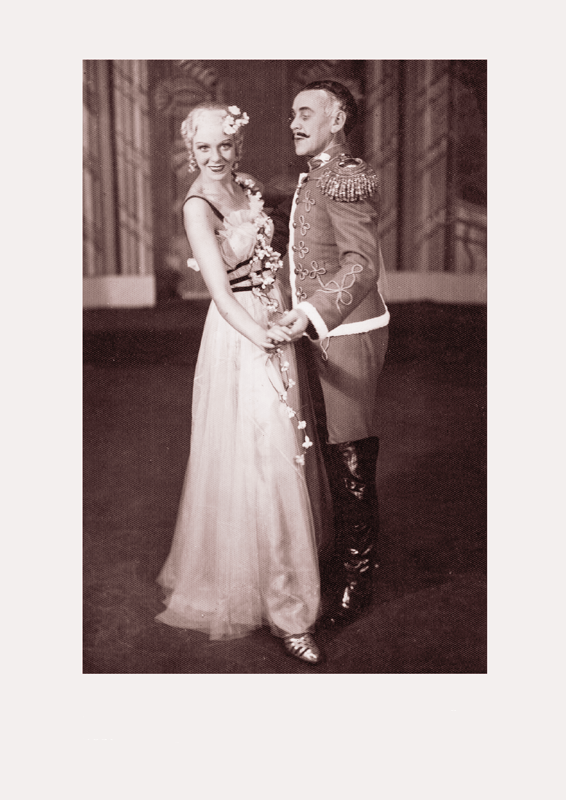
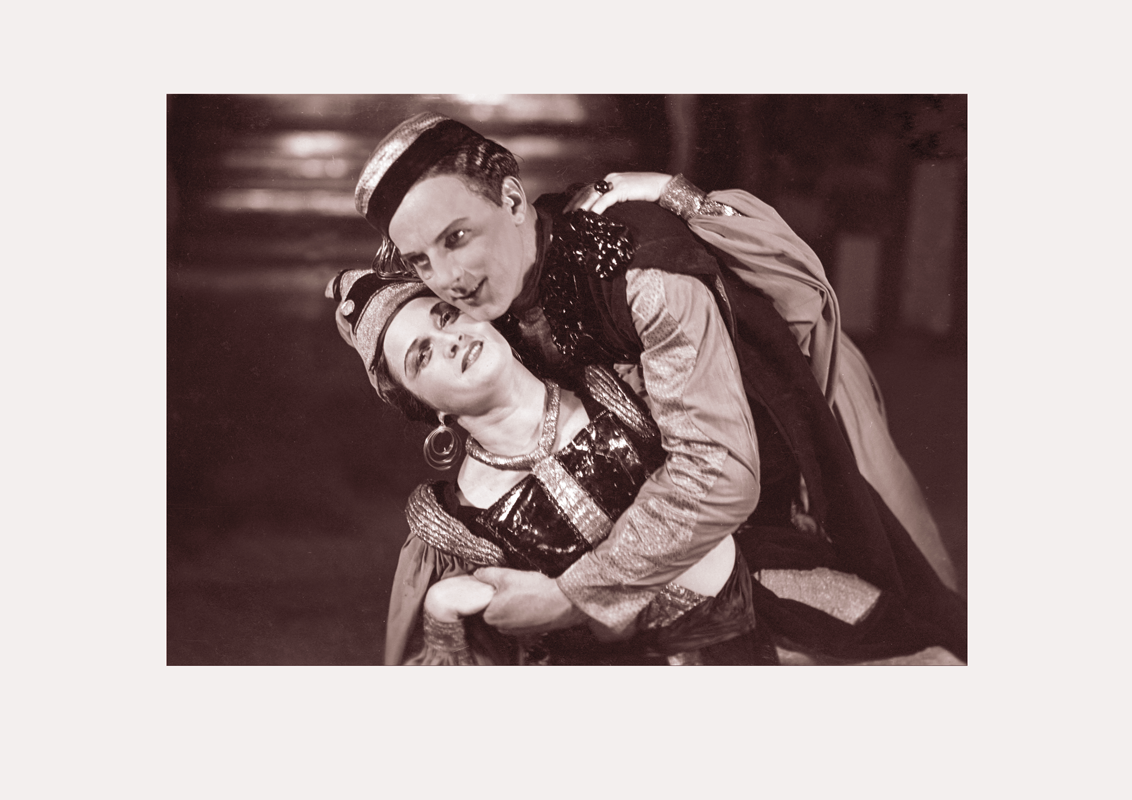
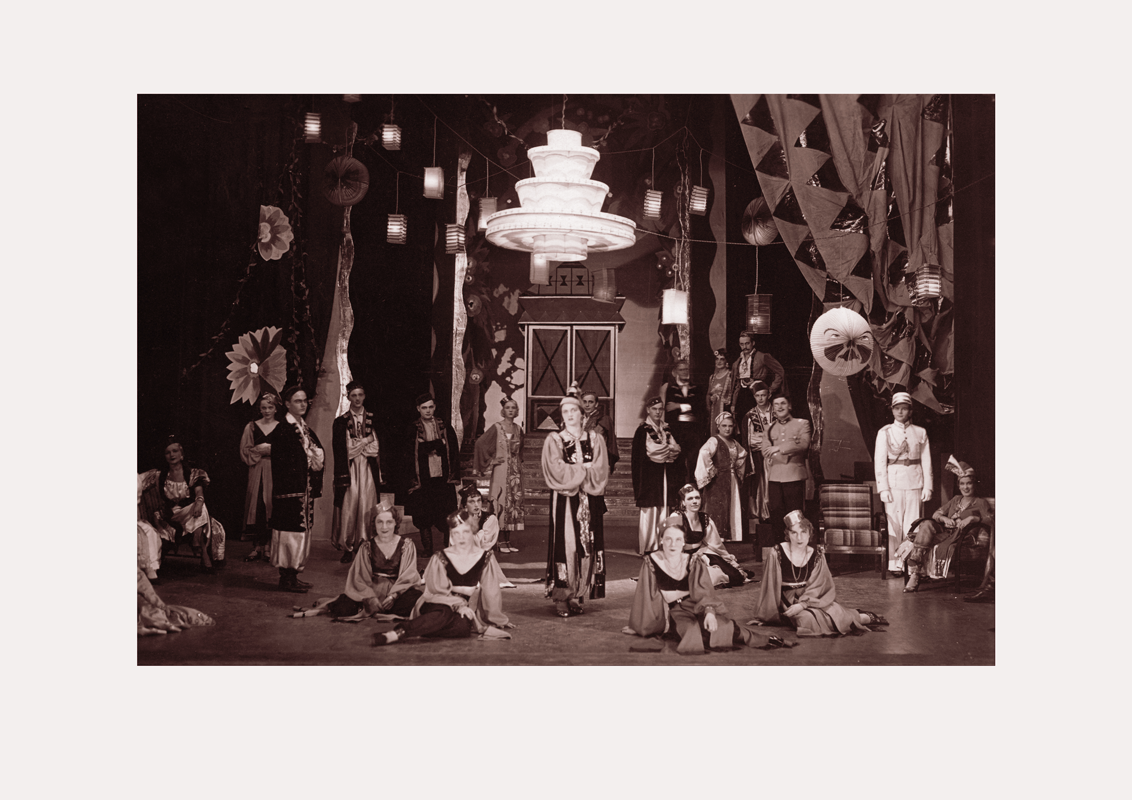
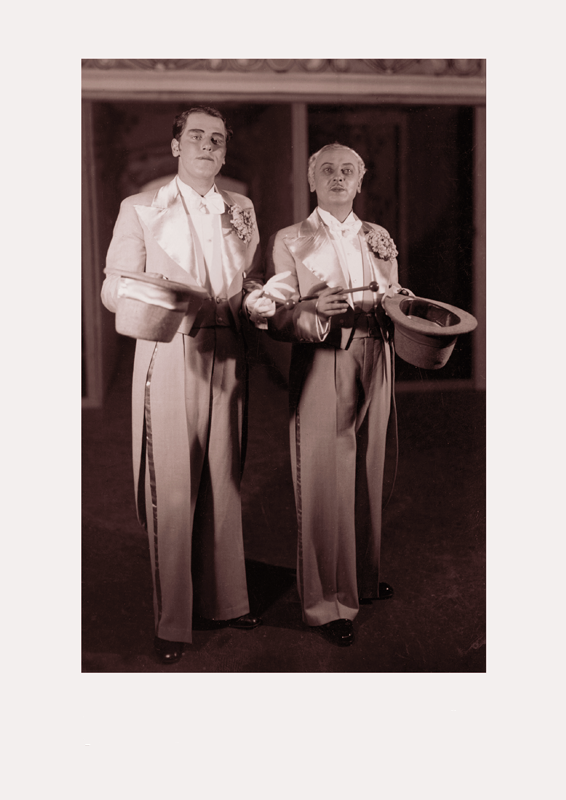
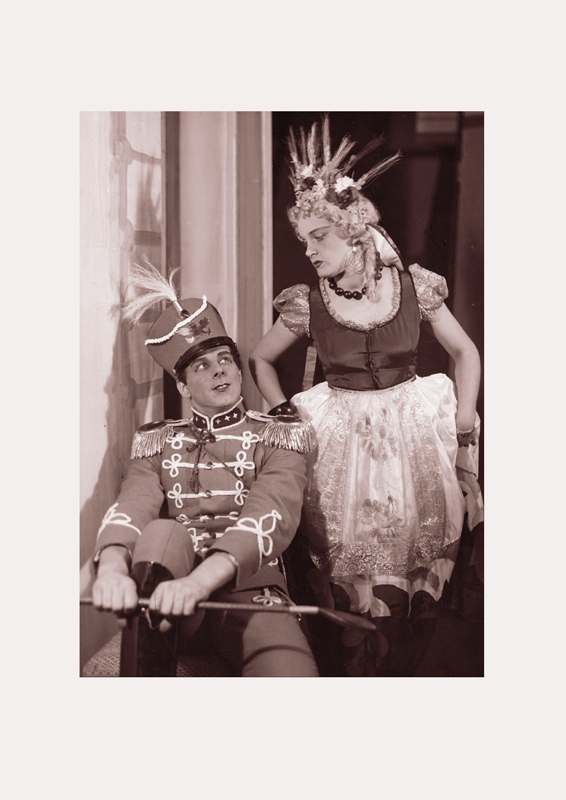
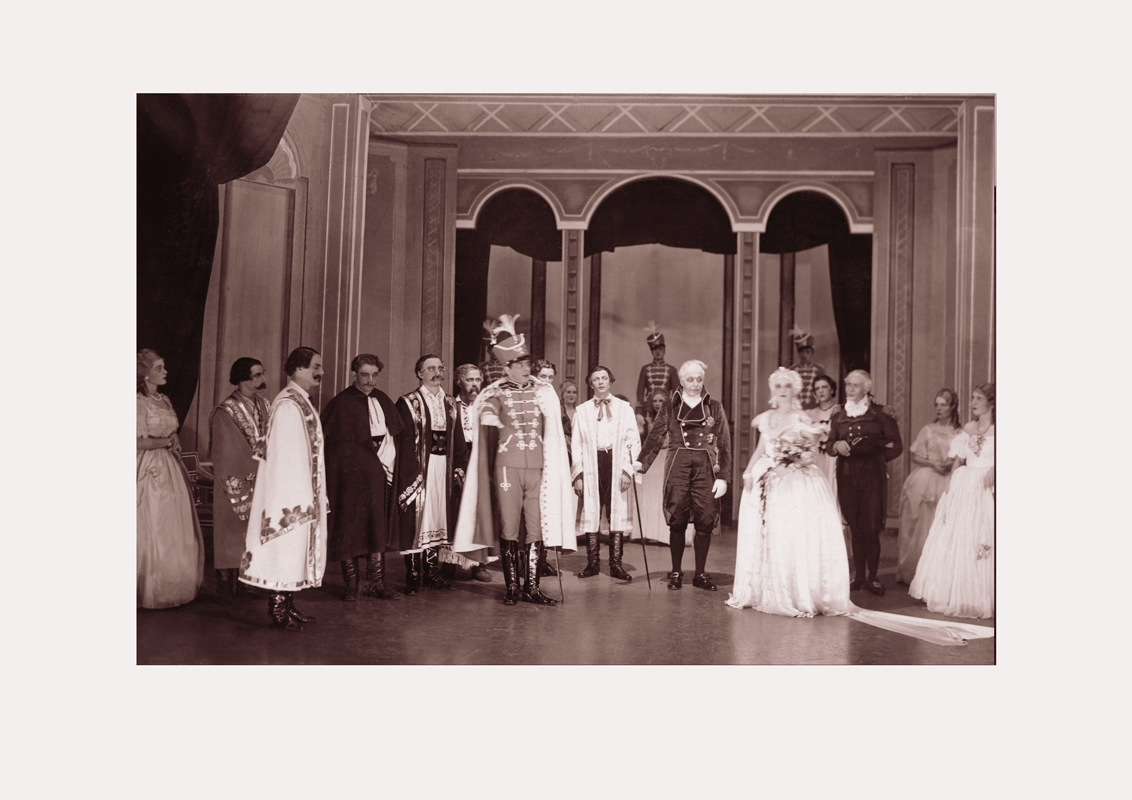
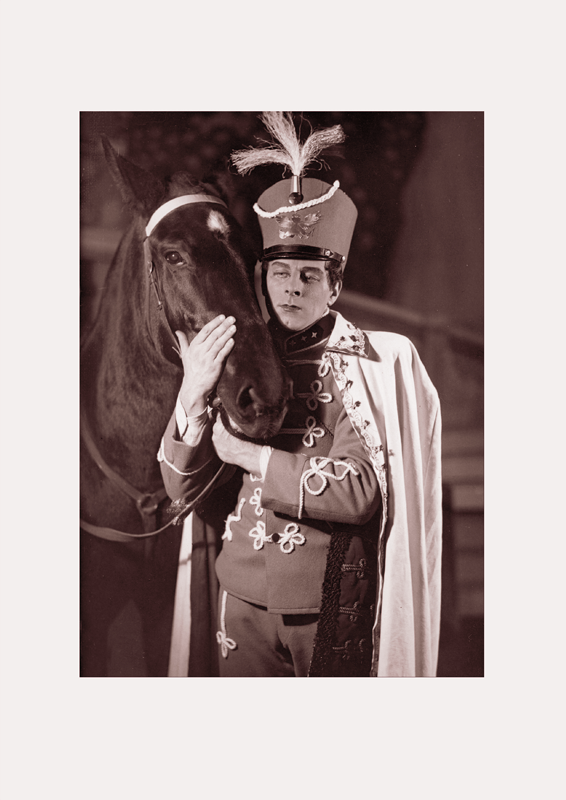
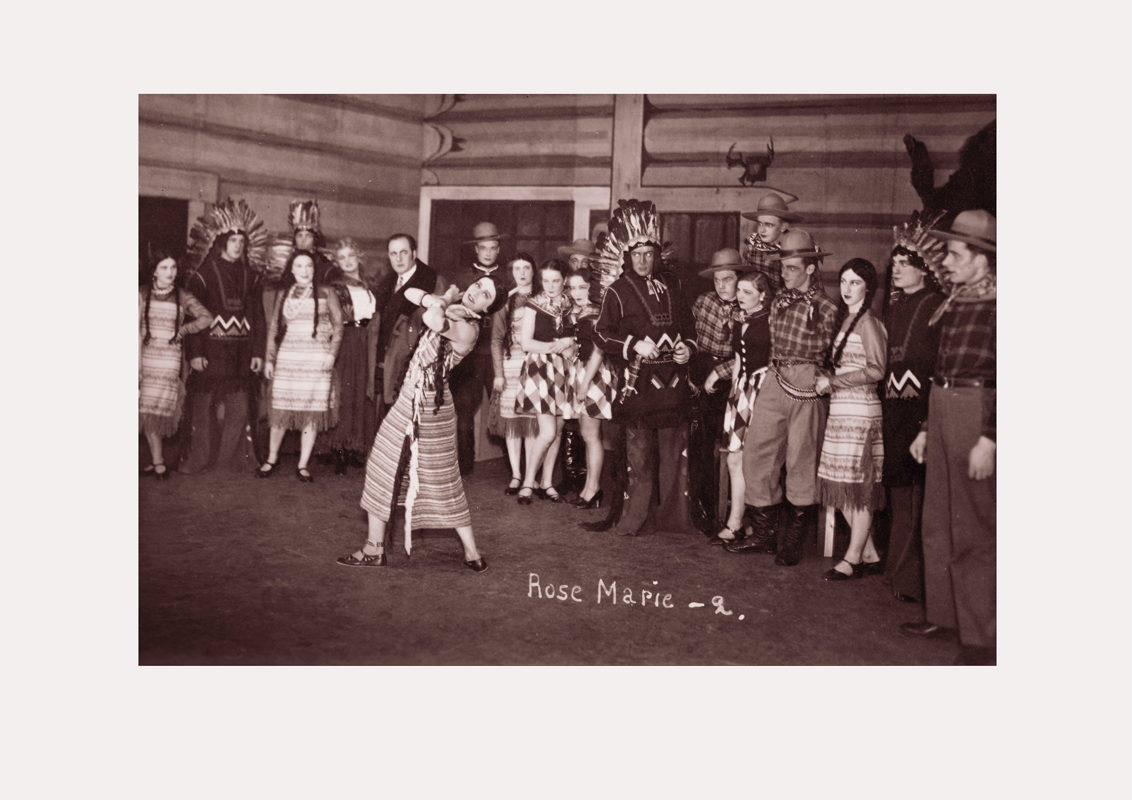
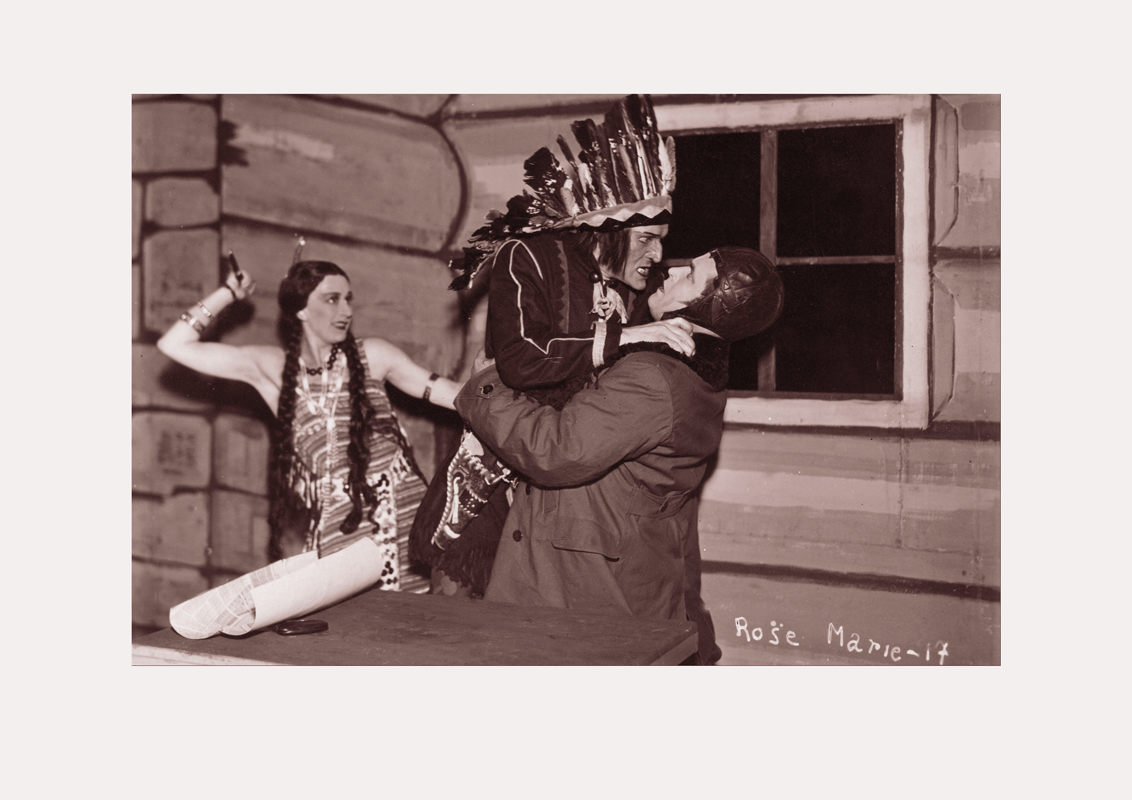
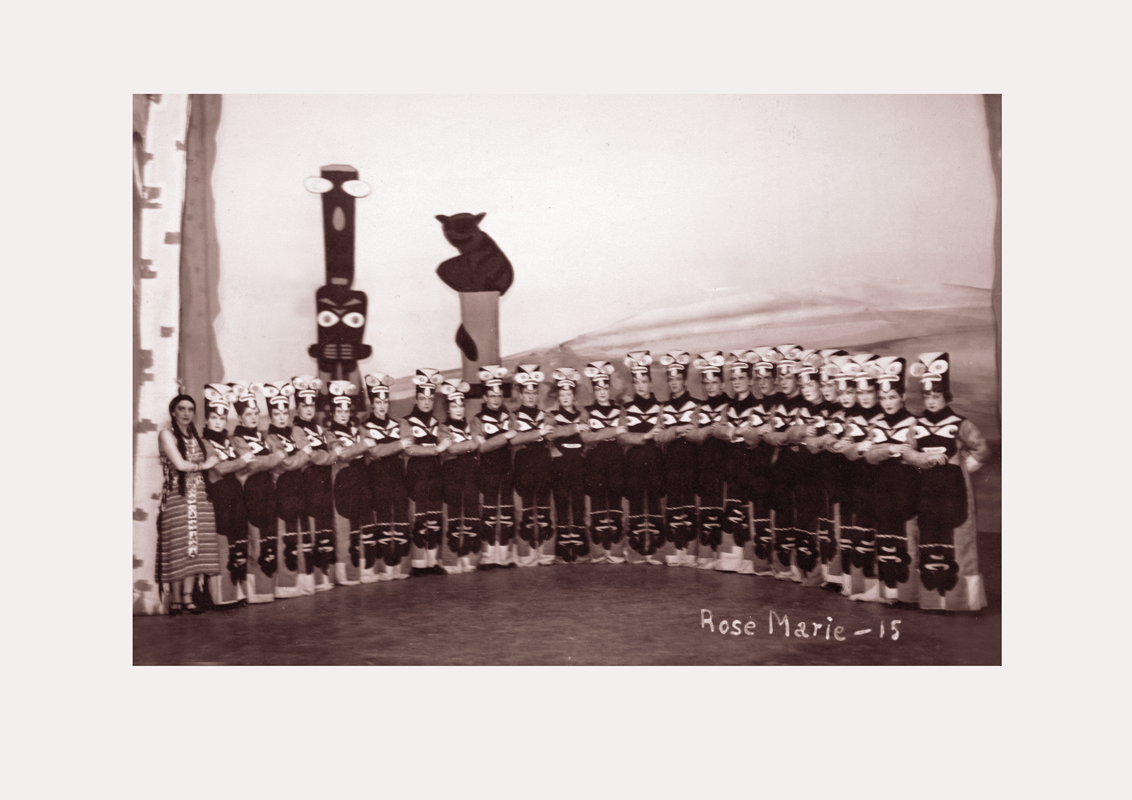
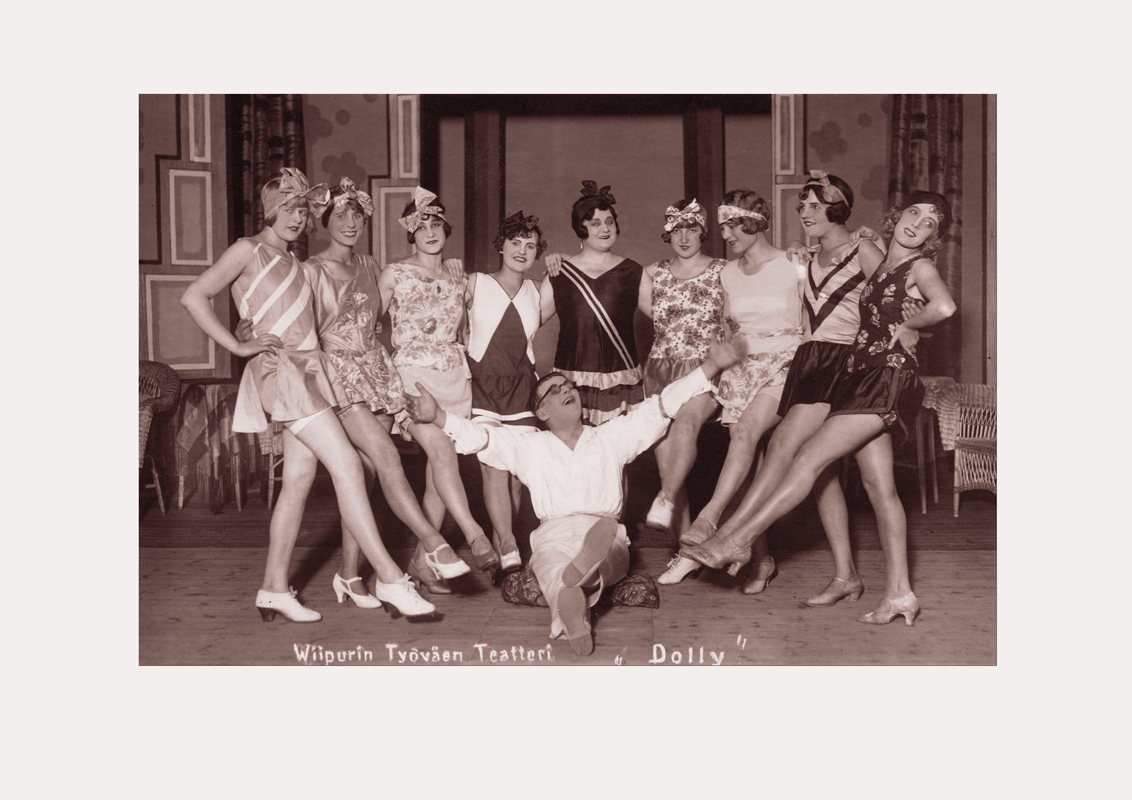
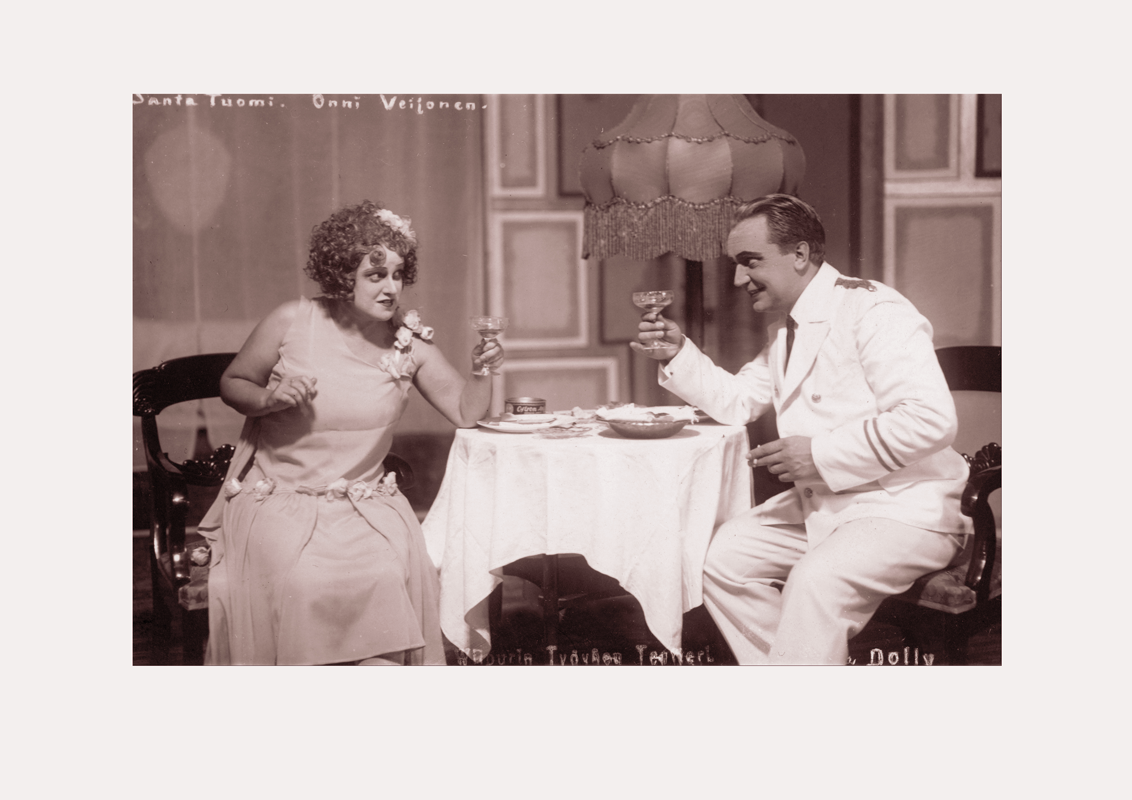
The worlds of operetta combined eroticism and exoticism. In Viipuri, operetta productions were of high quality; some of the actors were fine singers, and due to the city’s vibrant musical life, the theatre orchestra was of high quality. A large dance troupe rehearsed on the stage in the afternoons, and participated in a substantial number of the theatre´s evening performances. Two new operettas premiered every year, and performances of the most successful continued into the following season. Key works of Viennese operetta were still being performed but gradually gave way to the jazz and Schlager operettas that followed the First World War, of whom Paul Abraham was the most important composer. Two set designers (Erkki Siitonen and Ville Hänninen) often ”ignored” the historical epochs of the operettas and gave them shape in contemporary times. This meant Jugendstil (art nouveau) forms were rarely seen on stage, whereas art deco was. Operettas were the pinnacle of Viipuri high society, and it was easy to step over to the Seurahuone social club to continue the evening, or head to Espilä or around the corner to Lehtovaara for a drink.